

Why Choose Uncoated PP Woven Grow Bags Instead of Coated Grow Bags?
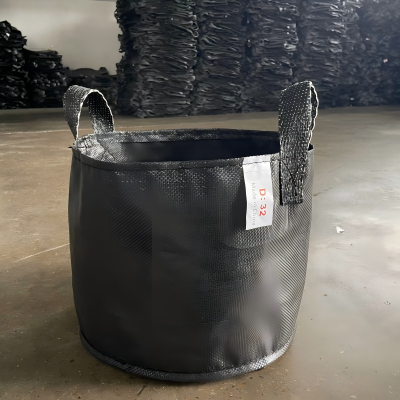
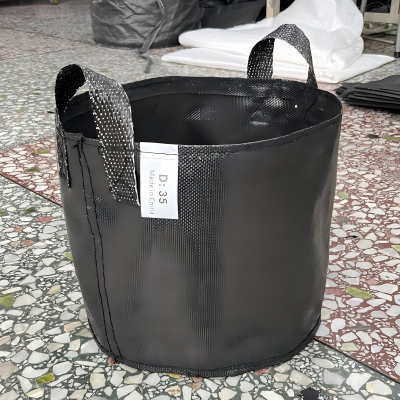
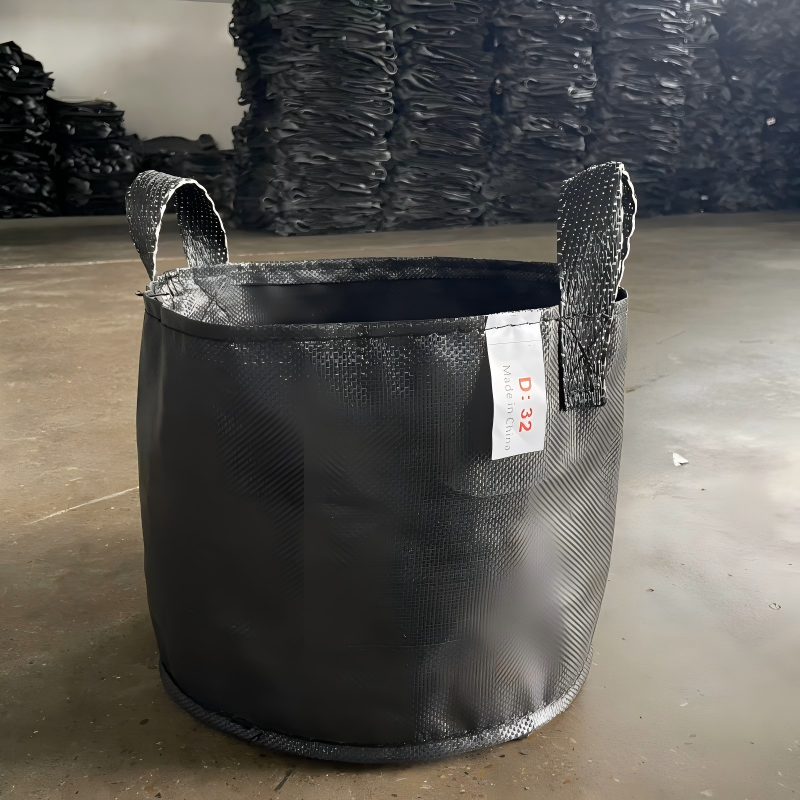
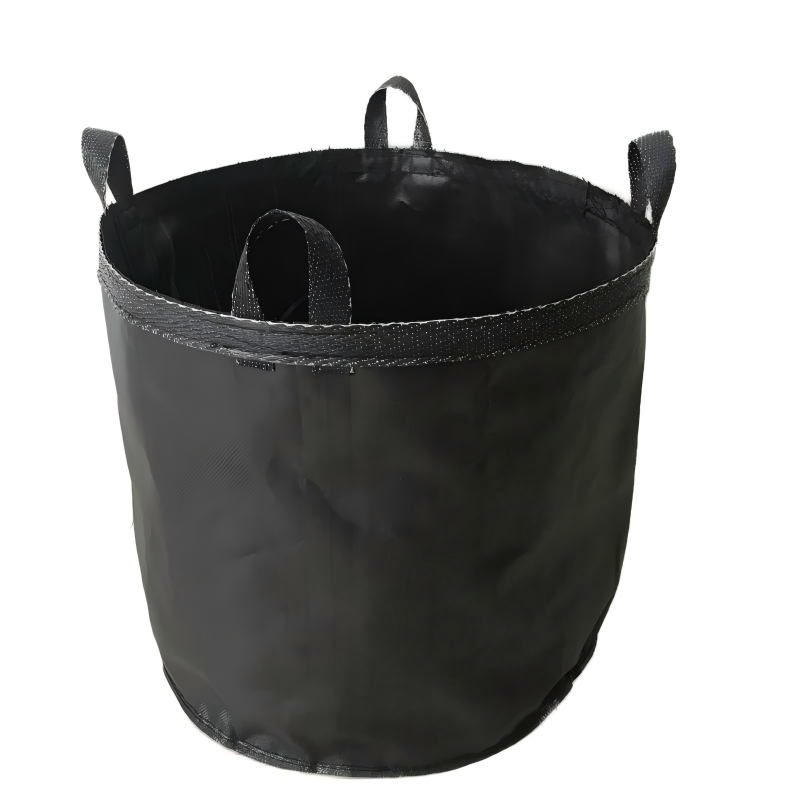
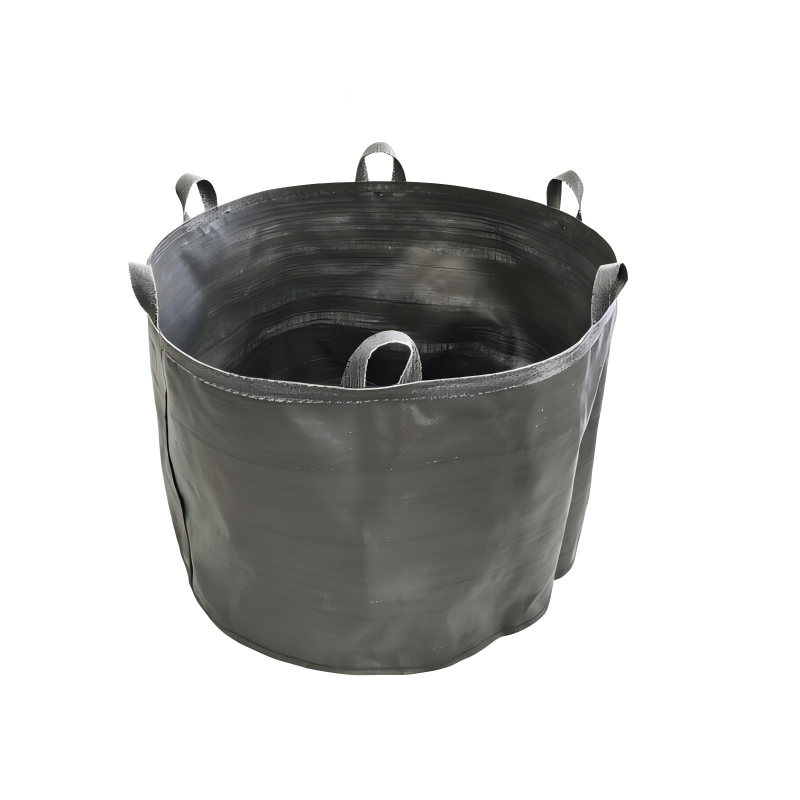
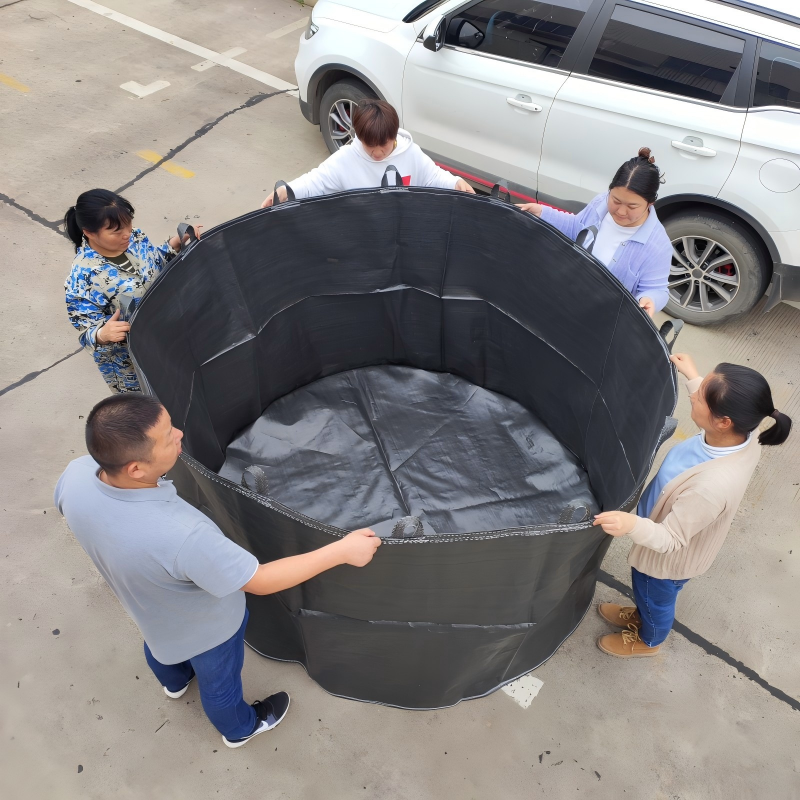
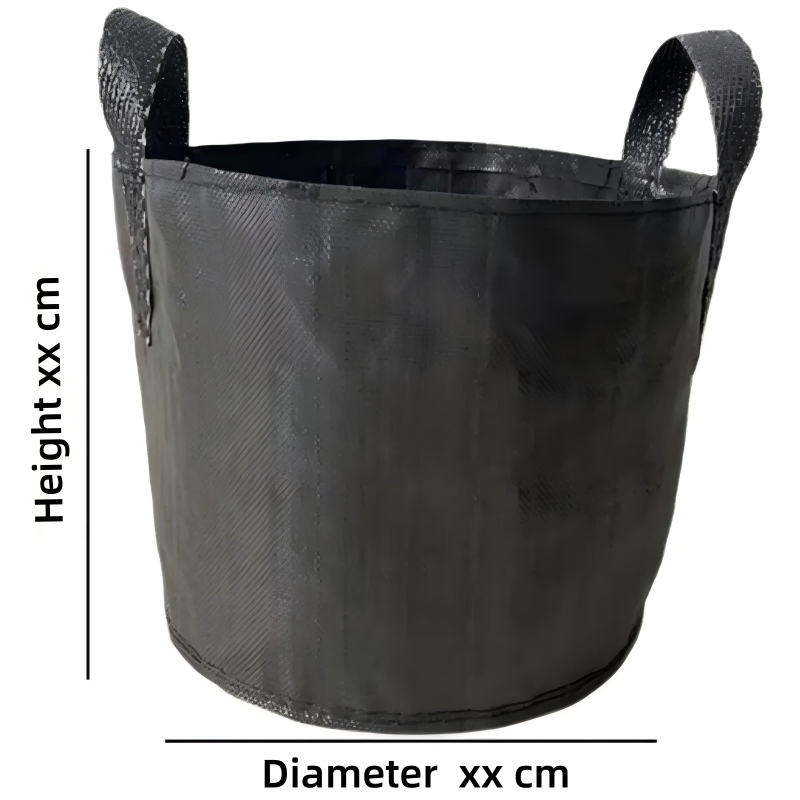
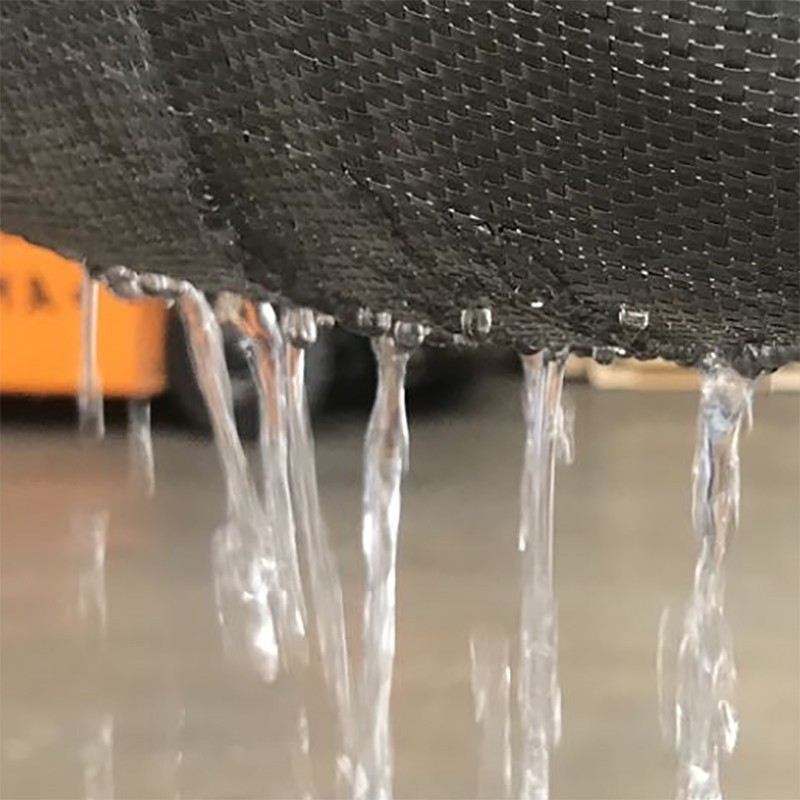
When choosing grow bags for commercial nurseries, the material structure can make a significant difference in plant growth and growing conditions. While coated grow bags offer an additional surface layer, uncoated PP woven grow bags have an open woven structure that allows better airflow and water permeability. But what makes uncoated grow bags a better choice for certain planting applications? In this article, we will explore their key advantages and explain why many professional growers prefer breathable, water-permeable grow bags for healthy root development and long-term nursery use. When choosing grow bags for commercial nurseries and large-scale plant production, material structure is just as important as strength and durability. Grow bags need to provide reliable support for plant growth while allowing sufficient airflow and water movement around the root zone. PP woven grow bags are widely used in commercial nurseries because of their strength, flexibility, and practical design. However, not all woven grow bags have the same structure. Some are coated with an additional layer, while others maintain their original uncoated woven structure. So, which option is better for nursery applications? In this article, we will explain the differences between uncoated and coated PP woven grow bags and why uncoated grow bags can be a practical choice for professional growers. One of the main advantages of uncoated PP woven grow bags is their breathable structure. Uncoated PP woven fabric is made by interlacing polypropylene tapes, creating small gaps between the woven strips. These gaps allow air to circulate through the fabric and reach the growing medium. Good airflow around the root zone is important for maintaining a healthy growing environment. It helps reduce excessive moisture accumulation and supports oxygen exchange around plant roots. When roots reach the breathable sides of the grow bag, exposure to air can encourage natural air pruning. Instead of continuing to grow in circles along the container wall, root tips may stop growing and encourage the development of lateral roots. This process can help produce a denser and more fibrous root system, which is particularly beneficial for trees and other plants grown in nursery containers. Water management is another important factor in commercial plant production. Uncoated PP woven grow bags have small openings between the woven strips, allowing excess water to pass through the fabric. This helps prevent water from remaining trapped inside the growing medium, especially when plants are watered frequently or grown in areas with heavy rainfall. Compared with coated woven bags, which have an additional surface layer that can restrict water movement through the fabric, uncoated bags offer a more open structure. Proper drainage helps growers manage growing media moisture and reduces the risk of prolonged waterlogging around plant roots. For nurseries growing palms, fruit trees, ornamental trees, and other container plants, this feature can be particularly useful. Plant roots need more than water and nutrients. They also need oxygen to support healthy growth. The open woven structure of uncoated PP grow bags allows air and moisture to move through the bag walls, helping create a more balanced growing environment. This is especially important for plants that remain in containers for extended periods before being sold or transplanted. For commercial nurseries, maintaining healthy root systems can make plant handling, transportation, and transplanting more manageable. Uncoated grow bags are therefore a practical option for growers who prioritize root development and growing conditions. Some growers may assume that uncoated grow bags are less durable because they do not have an additional coating layer. However, the strength of a PP woven grow bag mainly depends on its fabric quality, weaving structure, material weight, and manufacturing process. High-quality PP woven grow bags can provide excellent strength and support for commercial planting applications. At HOKBG, our PP woven grow bags are manufactured with UV-resistant and aging-resistant materials to help withstand outdoor nursery conditions. Our grow bags also feature reinforced handles designed to support heavy loads, with each handle capable of carrying at least 100 kg under suitable conditions. Available in sizes from 20L to 2000L and above, they can be used for a wide range of plants, including palms, olive trees, avocado trees, citrus trees, and ornamental trees. Another practical advantage of PP woven grow bags is their flexibility. Unlike rigid plastic nursery pots, woven grow bags can be folded flat when empty. This makes them easier to store and helps reduce shipping volume. For wholesalers, distributors, and commercial nurseries purchasing grow bags in bulk, efficient storage and transportation can help reduce logistics costs. Their flexible construction also makes them easier to handle during packing, distribution, and nursery operations. Both uncoated and coated PP woven grow bags can be used in nursery applications. However, their structures provide different growing characteristics. The actual performance of coated grow bags depends on the coating material, thickness, and manufacturing process. Not all coated bags have the same properties. For growers who prioritize airflow, water permeability, and a breathable root environment, uncoated PP woven grow bags are often a suitable choice. The right choice depends on your plants, growing environment, and production requirements. Uncoated PP woven grow bags are particularly suitable for: Commercial tree nurseries Palm tree plantations and nurseries Avocado and citrus tree production Olive tree nurseries Blueberry and other fruit plant production Ornamental trees and landscape plants If your growing operation requires good airflow, water movement, and reliable fabric strength, uncoated PP woven grow bags are worth considering. However, it is always important to evaluate the bag structure and growing conditions before making a purchasing decision. HOKBG has over 15 years of manufacturing experience specializing in PP woven grow bags, supplying customers in more than 90 countries worldwide. We understand that different nurseries have different planting requirements. That is why we provide flexible product customization to meet various commercial growing needs. Our product advantages include: Uncoated Woven Structure: Designed to support airflow and water permeability. UV and Aging Resistance: Suitable for outdoor nursery applications. Strong PP Woven Fabric: Designed for demanding commercial planting conditions. Reinforced Handles: Each handle can carry at least 100 kg under suitable conditions. Wide Size Range: Available from 20L to 2000L+. Custom Production: Customized dimensions, colors, and logo printing are available. Whether you are growing palm trees, fruit trees, ornamental plants, or other nursery crops, HOKBG can provide grow bag solutions to match your requirements. Choosing between uncoated and coated PP woven grow bags depends on what matters most in your growing operation. While coated bags may provide additional surface protection, uncoated PP woven grow bags offer an open woven structure that allows better airflow and water movement through the fabric. For commercial nurseries looking for breathable, water-permeable, strong, and flexible planting solutions, uncoated PP woven grow bags are a practical option. Looking for a reliable PP woven grow bag manufacturer? Contact HOKBG to discuss your required sizes, specifications, and customization options. We are ready to support your nursery business with suitable grow bag solutions.Introduction
Why Choose Uncoated PP Woven Grow Bags Instead of Coated Grow Bags?

1. Better Air Permeability for Healthy Root Development
2. Better Water Permeability and Drainage
3. A More Natural Growing Environment
4. Strong and Durable for Commercial Nursery Applications
5. Flexible and Convenient for Storage and Transportation
6. Uncoated vs. Coated PP Woven Grow Bags: What Are the Differences?
Feature Uncoated PP Woven Grow Bags Coated PP Woven Grow Bags Fabric structure Open woven structure Woven fabric with an additional coating Air permeability Allows better airflow through woven gaps Coating may restrict airflow Water permeability Allows water to pass through woven gaps Coating may reduce water permeability Root environment Supports air exchange around roots Depends on coating and bag design Drainage Water can pass through the fabric Depends on coating and drainage design Flexibility Flexible and foldable Depends on coating material Main advantage Breathability and water permeability Additional surface protection 7. Which Grow Bag Is Better for Your Nursery?
8. Why Choose HOKBG Uncoated PP Woven Grow Bags?
Conclusion