Peony Planting Tips: How HOKBG UV Protected Plant Bags Support Healthy Nursery Growth
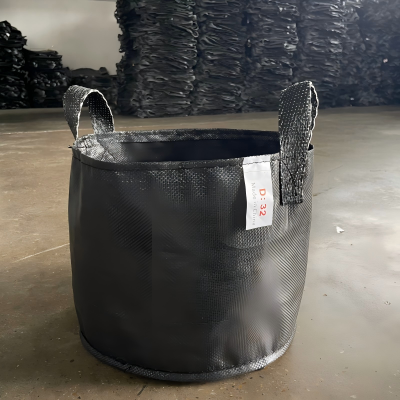
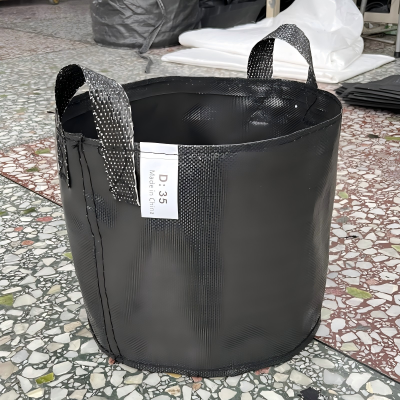
Introduction: How to Grow Healthy Peonies Peonies are popular ornamental plants known for their large, colorful flowers, attractive foliage, and value in gardens, landscape projects, and the cut-flower market. For commercial nurseries, growing high-quality peonies requires the right planting depth, well-drained growing media, sufficient sunlight, and careful seasonal management. Choosing a suitable growing container is also important when producing peonies in nurseries. HOKBG UV Protected Plant Bags are made from high-strength polypropylene (PP) woven fabric designed for outdoor cultivation. Their UV-resistant material, breathable and water-permeable structure, and reinforced handles make them a practical option for nurseries growing ornamental plants and other container-grown crops. Whether you grow peonies for garden centers, landscape contractors, or wholesale plant markets, these seven planting tips can help you improve growing management and prepare healthier plants for sale. Before planting, consider the peony variety, local climate, and intended market. The main types include herbaceous peonies, tree peonies, and intersectional (Itoh) hybrids. Their growth habits and cultivation requirements differ, so choose varieties suited to your region and production goals. For many herbaceous peonies, a location with at least six hours of direct sunlight daily and good air circulation supports healthy growth and flowering. In hot climates, some varieties may benefit from protection from intense afternoon heat. For commercial nurseries, consider the following: Important: Many herbaceous peonies require a period of winter chilling to flower properly. Check the requirements of each cultivar before selecting it for production in warm climates. Peonies need sufficient moisture for growth, but their roots can suffer in waterlogged conditions. Good drainage is therefore essential, particularly when plants are grown in containers. A suitable growing medium should retain enough water for the roots while maintaining sufficient air space. Depending on the local climate and production system, nursery growers may use suitable peat-based substrates, composted bark, or other horticultural components. Follow these basic practices: HOKBG PP woven plant bags feature a breathable, water-permeable fabric structure. This allows air and water to pass through the bag material and can support root-zone aeration when combined with a suitable growing medium. Good drainage depends on more than the container alone. Growing-media composition, irrigation, container placement, and local weather must all be considered. Planting depth is one of the most important factors affecting flowering in herbaceous peonies. When planting bare-root herbaceous peonies, position the uppermost buds, commonly called eyes, approximately 1–2 inches (2.5–5 cm) below the soil surface in many temperate growing regions. Planting too deeply can reduce flowering. For container-grown plants, maintain the appropriate planting depth when transferring them to a larger container. For nursery production: Planting recommendations can vary with peony type and climate, so confirm the appropriate depth for your particular variety. Choosing an appropriate container helps provide adequate growing space while managing growing-medium use, watering, and handling costs. The best capacity depends on the peony variety, crown or root size, production schedule, and intended sale size. The following ranges are general starting points for nursery planning, not universal requirements. For herbaceous peonies, container depth and winter management are particularly important. A larger bag does not automatically produce more flowers; appropriate cultivar selection, planting depth, chilling, and growing conditions remain essential. HOKBG offers PP woven grow bags in capacities from 20 L to 6,000 L, with custom sizes available for commercial requirements. For smaller peony crowns, confirm the minimum available dimensions and whether a suitable custom specification is possible. Consistent moisture supports root establishment and healthy foliage, but overwatering can encourage root problems. Peonies grown in bags may dry out more quickly during hot, sunny, or windy weather. Check the growing medium regularly and adjust irrigation according to plant size, temperature, rainfall, and drainage. Practical watering tips: For fertilization, use a balanced program based on growing-media analysis, plant growth, and product instructions. Excessive nitrogen can encourage foliage at the expense of flowering. HOKBG's water-permeable woven fabric allows water to pass through the bag material, supporting drainage management. However, irrigation frequency must still be tailored to the growing medium and local conditions. Outdoor palm nurseries often keep plants in containers for extended periods before they reach their target size or are ready for delivery. During this time, the growing bags must withstand sunlight, rain, temperature fluctuations, handling, and the weight of the growing medium. This is why UV resistance is an important consideration when choosing a planter bag for commercial palm cultivation. When comparing products, nursery managers should evaluate: HOKBG focuses on high-strength, UV-resistant PP woven grow bags for outdoor nurseries, orchards, and landscaping applications. Our black woven fabric has been used in our production for more than 15 years, with material and bag specifications selected for demanding outdoor growing environments. Actual service life depends on UV intensity, climate, altitude, exposure duration, loading, handling, and storage conditions. Selecting the right specification for your market is therefore important. Commercial nurseries may keep peonies and other ornamental plants outdoors for extended periods. Containers must withstand sunlight, rainfall, temperature fluctuations, and routine handling throughout the growing cycle. UV resistance is therefore an important consideration when selecting plant bags. UV-resistant material HOKBG uses UV-resistant PP woven fabric designed to withstand sunlight-related aging during outdoor cultivation. This can help extend the useful service life of plant bags under suitable conditions. Breathable and water-permeable construction The woven structure allows air and water to pass through the fabric, supporting root-zone aeration and drainage when the growing medium is properly managed. High-strength fabric Suitable fabric strength helps support the growing medium and plant during cultivation and handling. Bag specifications should be matched to the expected load. Reinforced handles Reinforced handles make routine movement more convenient for appropriately sized bags. Always assess the loaded weight and use suitable equipment for heavy plants. Multiple capacities and custom options HOKBG supplies bags from 20 L to 6,000 L, supporting different nursery applications. Custom dimensions and specifications can be discussed for particular production requirements. Actual service life depends on UV intensity, climate, exposure duration, storage, and handling. Selecting the appropriate specification for your growing environment is essential. For commercial growers, plant quality includes more than attractive flowers. Healthy roots, suitable growing conditions, and careful handling all contribute to a successful nursery product. Before dispatching peonies: For large or heavily loaded containers, evaluate the total weight and use suitable mechanical handling equipment. Never assume that the capacity of an individual handle represents the safe lifting capacity of the complete bag. HOKBG grow bags are designed for nursery and outdoor growing applications. Choosing an appropriate size and fabric specification helps nurseries manage plants throughout cultivation and prepare them for delivery. Yes. Peonies can be grown in containers when the cultivar, container size, growing medium, drainage, planting depth, and winter chilling requirements are properly managed. HOKBG PP woven grow bags use UV-resistant fabric designed for outdoor cultivation. Their suitability and expected service life depend on the local climate, exposure, plant weight, and selected specification. Yes. Peonies need adequate moisture but do not perform well when their roots remain in persistently waterlogged growing media. Use a suitable substrate and ensure that excess water can drain away. Breathable woven fabric can support air exchange around the root zone. Under suitable conditions, air exposure at the container wall may also encourage air pruning. Results depend on the growing medium, moisture, fabric structure, and cultivation practices. HOKBG offers a range of PP woven grow bags from 20 L to 6,000 L, with custom specifications available for suitable applications. Contact our team to discuss your required dimensions, plant type, and production needs. Healthy peonies depend on suitable varieties, adequate sunlight, correct planting depth, well-drained growing media, balanced irrigation, and appropriate seasonal care. For commercial nurseries, choosing durable containers is another important part of production planning. HOKBG UV Protected Plant Bags combine UV-resistant PP woven fabric, air and water permeability, reinforced handles, and a wide capacity range for outdoor nursery applications. If you are looking for plant bags for peonies or other ornamental plants, HOKBG can help you explore suitable sizes and specifications for your growing conditions. Contact HOKBG today to discuss your plant bag requirements.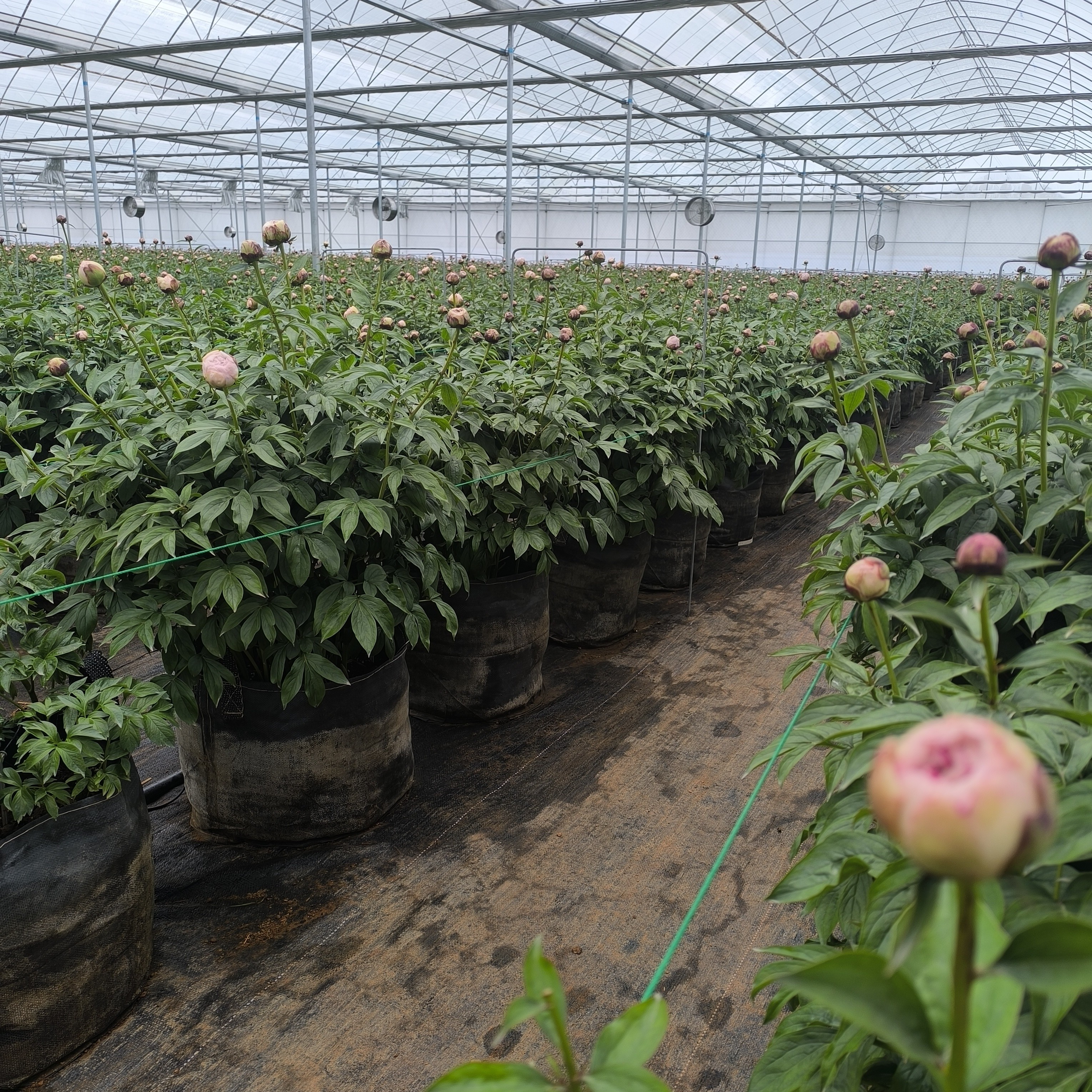
1. Choose the Right Peony Variety and Planting Location
2. Prepare a Well-Drained Growing Medium
How HOKBG plant bags help
3. Plant Peonies at the Correct Depth
4. Select the Right Plant Bag Size
Production stage Suggested capacity Main consideration Small peony crowns 4–10 L Compact propagation and early establishment Developing plants 10–20 L Additional growing-medium volume Larger nursery plants 20–40 L Longer production periods and root development Mature or specialty plants 40 L and above Root-ball size, cultivation duration, and handling 5. Manage Watering and Fertilization Carefully
6. Protect Outdoor Grow Bags from UV Exposure and Aging
What to look for in a UV-aging planter bag
6. Choose UV-Protected Plant Bags for Outdoor Production
Why choose HOKBG UV Protected Plant Bags?
7. Prepare Peonies for Sale and Transplanting
Frequently Asked Questions About Peony Plant Bags
Can peonies grow in plant bags?
Are HOKBG UV Protected Plant Bags suitable for outdoor nurseries?
Do peonies need good drainage?
Can breathable grow bags improve root development?
Does HOKBG offer customized plant bags?
Conclusion: Grow Peonies with the Right Planting Practices and Containers