

Olive Tree Container Growing: How to Choose the Right Grow Bag Size?
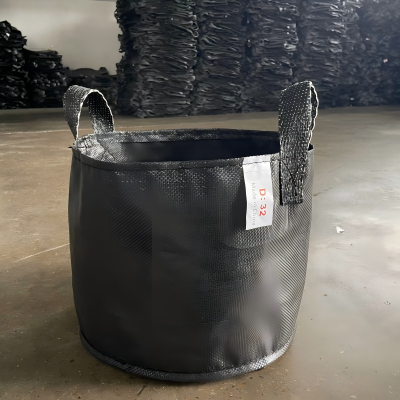
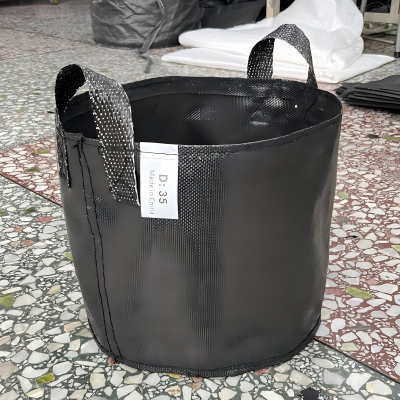
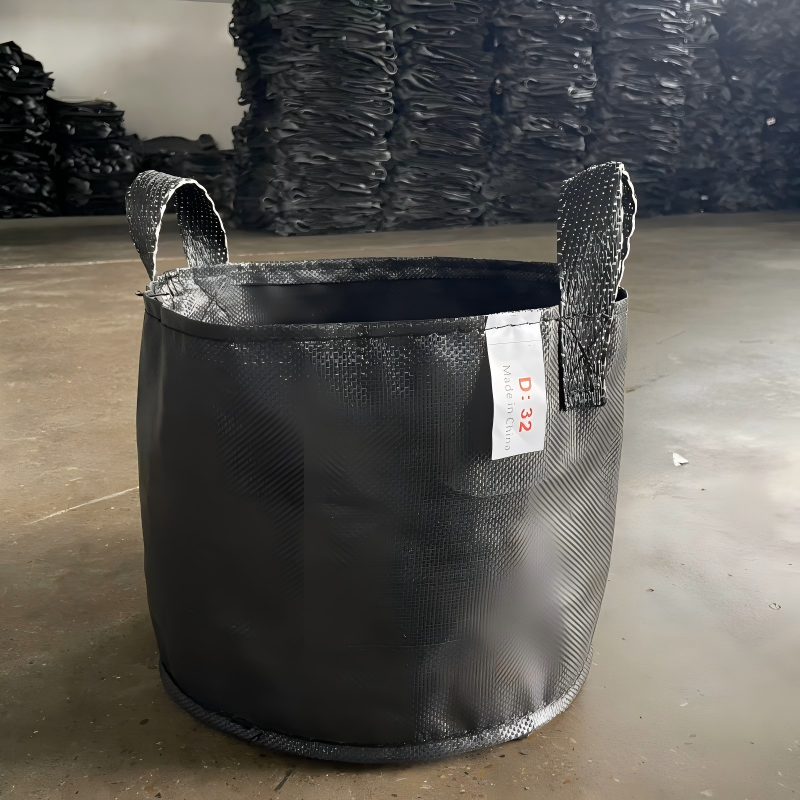
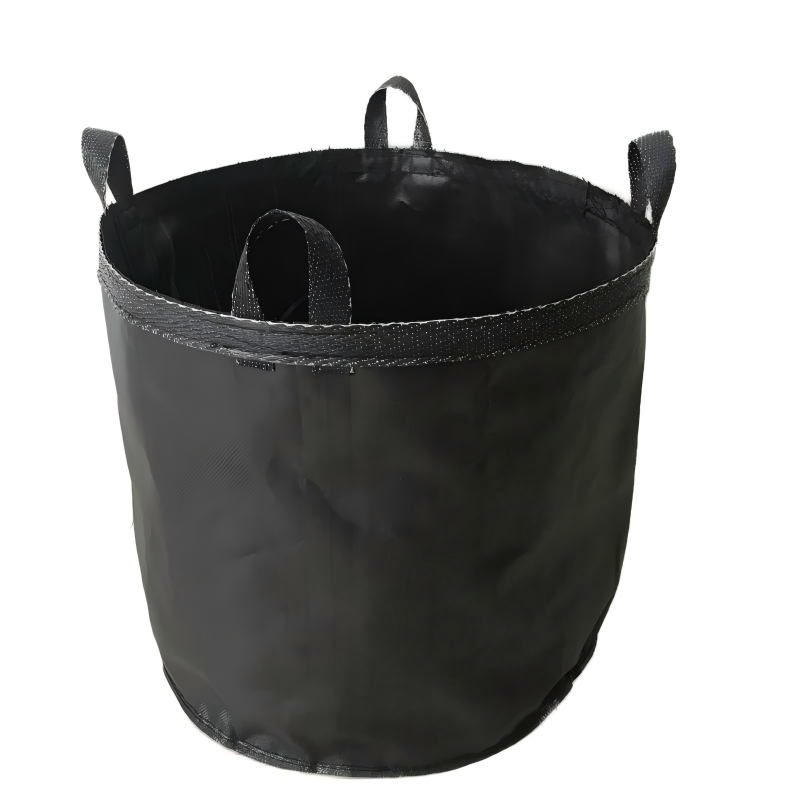
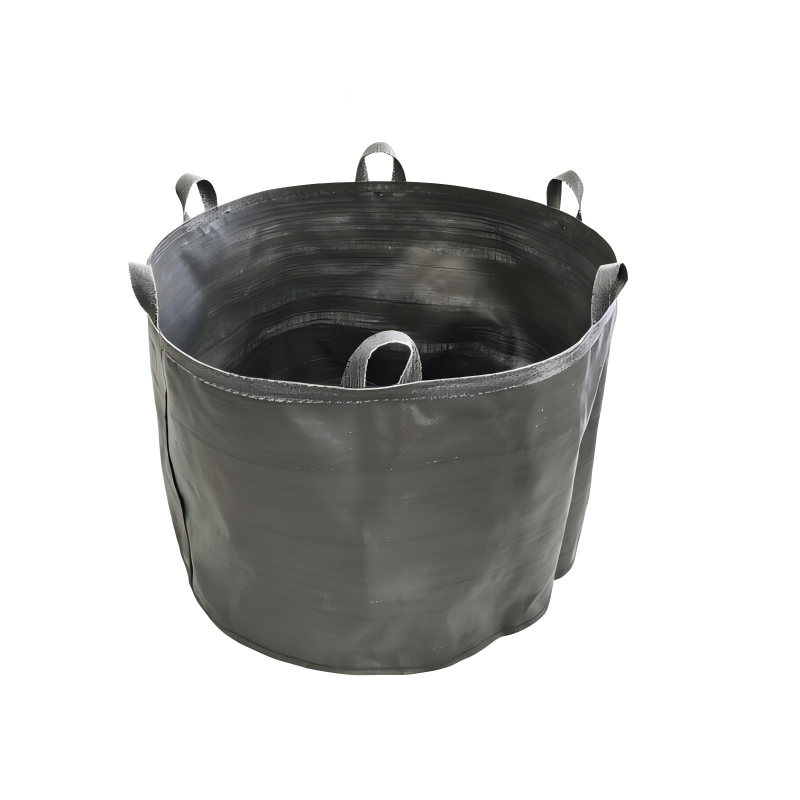
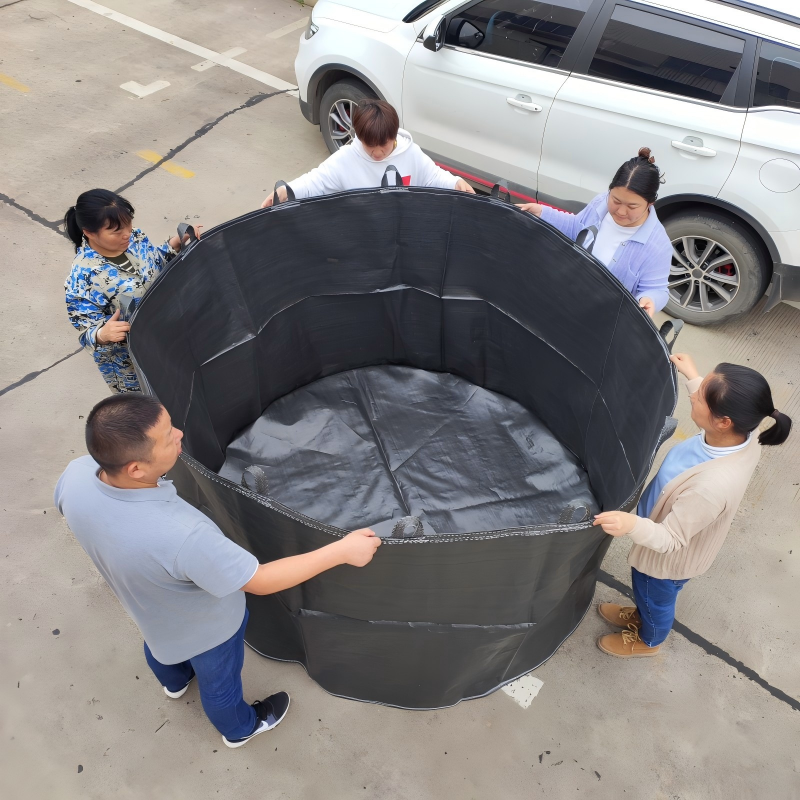
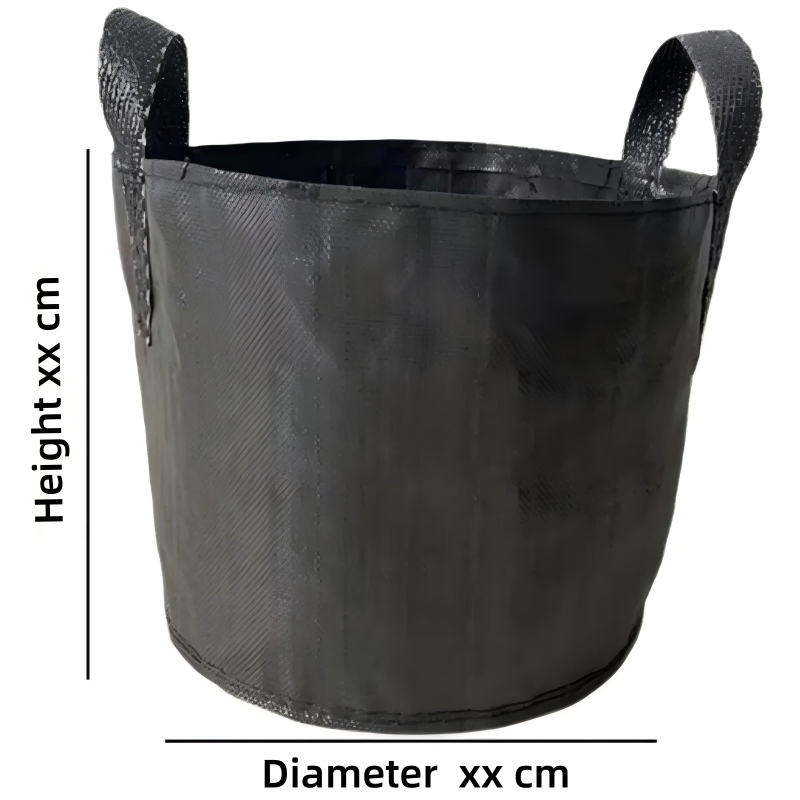
Olive trees (Olea europaea) are increasingly popular in commercial nurseries, landscaping projects, and container gardening. Their evergreen foliage, attractive appearance, and adaptability to different growing environments make them valuable ornamental and fruit-producing trees. Growing olive trees in containers offers several advantages. Nurseries can control growing conditions, manage root development, move trees more easily, and supply different tree sizes to landscaping contractors and customers. However, choosing the right container size is essential. A grow bag that is too small may restrict root development, while an excessively large container can increase growing costs and make irrigation management more difficult. So, what size grow bag is best for olive trees? Let's explore the recommended sizes for different growth stages. Before discussing sizes, it is important to understand why woven grow bags are suitable for olive tree cultivation. Olive trees naturally develop extensive root systems. In container production, providing sufficient growing space, oxygen, and drainage is essential for maintaining healthy plants. High-quality woven grow bags offer several benefits. Improved Root Development Breathable woven fabric allows air to reach the root zone. When roots reach the container's outer surface, exposure to air can encourage air pruning, helping reduce root circling and promote a more fibrous root system. Better Drainage and Aeration Olive trees prefer well-drained growing media and do not perform well in persistently waterlogged conditions. The water-permeable structure of woven fabric allows excess water to escape while supporting air circulation around the root zone. Suitable for Outdoor Nurseries Olive trees are often grown outdoors under strong sunlight. UV-resistant materials help maintain the bag's strength and performance during extended outdoor exposure. For commercial growers, choosing durable UV Protected Plant Bags can reduce the need for frequent container replacement. The ideal grow bag size depends on the tree's age, height, root development, growing period, and final sales requirements. For commercial olive tree nurseries, we recommend selecting container sizes according to the following growth stages. <image>Young olive seedlings growing in individual black woven nursery grow bags</image> Young olive trees need enough space for their roots to establish without occupying excessive nursery space. Recommended capacity: 20–40 L Suggested sizes: 20 L: Diameter 32 cm × Height 25 cm 40–45 L: Diameter approximately 40 cm × Height 35 cm These sizes are suitable for young olive trees that have already developed an established root system and are ready for transplanting from propagation containers. For nurseries producing large quantities of young olive trees, 20–40 L containers offer a practical balance between growing space, handling, and production costs. <image>Medium-sized olive trees growing in black fabric grow bags at a commercial nursery</image> As olive trees grow taller and develop larger root systems, they need additional growing space. Recommended capacity: 80–100 L Suggested size: 80 L: Diameter 50 cm × Height 40 cm 100 L: Custom dimensions based on the desired height and root-ball size This stage is particularly important for commercial nurseries preparing olive trees for landscaping projects. An appropriately sized container provides more room for root development and helps maintain a balanced root-to-shoot ratio. <image>Large mature olive trees in heavy duty black woven grow bags commercial tree nursery</image> For larger olive trees intended for landscape contractors, garden centers, or commercial projects, bigger containers are necessary. Recommended capacity: 200–350 L Suggested applications: Medium to large ornamental olive trees Established trees prepared for transportation Olive trees intended for commercial landscaping projects At this stage, container strength becomes particularly important. Heavy Duty Grow Bags with reinforced handles can make lifting and transportation more convenient. For heavier trees, mechanical lifting equipment may be necessary. <image>Extra large mature olive trees growing in oversized black woven tree bags at a professional nursery</image> Some nurseries specialize in mature olive trees with thick trunks and large canopies. These trees require substantially more root space and stronger containers. Recommended capacity: 500–1000 L or larger These large Tree Bags for Nurseries are suitable for: Mature ornamental olive trees Large landscape specimens Trees prepared for relocation High-value trees supplied to commercial landscaping projects For exceptionally large trees, customized grow bags with reinforced lifting points and additional bottom support can be considered. The final capacity should always be determined by the actual root-ball dimensions, tree size, and intended growing period. The following chart provides practical starting points for commercial nursery production. These are suggested production ranges, not fixed horticultural standards. Growers should adjust container size according to cultivar, tree height, root-ball dimensions, substrate, irrigation, and production cycle. For reference, research on olive nursery production has found that 2–3 L containers can be suitable during the early propagation stage. Larger containers are generally needed as trees develop. Selecting the correct capacity is only part of the decision. Material quality and construction also influence long-term performance. 1. UV Resistance Olive trees are commonly cultivated in sunny outdoor environments. Direct sunlight can gradually weaken ordinary woven fabric. UV Resistant Grow Bags are designed to withstand prolonged outdoor exposure. UV stabilization helps maintain fabric strength and extend service life. 2. High Fabric Strength Large olive trees become increasingly heavy as their root systems and growing media develop. Choose Heavy Duty Grow Bags with strong woven fabric, reinforced stitching, and durable handles. For very large containers, additional lifting support should be considered rather than relying on handles alone. 3. Breathable Woven Fabric Air permeability helps support root-zone aeration and air pruning. Woven Grow Bags provide a breathable growing environment while allowing excess irrigation water to drain through the fabric. 4. Anti-Aging Performance For commercial nurseries, container durability directly affects operating costs. Anti-Aging Grow Bags made with UV-stabilized polypropylene can help resist outdoor weathering and maintain performance over multiple growing seasons. As a professional Woven Grow Bags Factory, HOKBG manufactures high-strength, UV-stabilized PP woven grow bags for commercial nurseries and tree growers worldwide. Our product advantages include: Wide Capacity Range: From 20 L to 6000 L, covering young plants to large specimen trees. UV Protection: Our specially developed black PP woven fabric is designed for outdoor nursery applications. Breathable Structure: Supports air pruning and helps reduce root circling. Reinforced Handles: Designed for convenient handling and transportation. Customized Production: Custom dimensions, fabric specifications, and handle configurations are available. Our Nursery Grow Bags are suitable for olive trees, citrus trees, mango trees, palms, ornamental trees, and other commercial nursery plants. Whether you are producing young olive seedlings or supplying mature olive trees for landscaping projects, HOKBG can help you select suitable container sizes for your growing requirements. Q1: What is the best grow bag size for an olive tree? For established young olive trees, 20–40 L is a practical starting point. Developing trees may require 80–100 L, while larger nursery trees may need 200–350 L or more. Q2: Are woven grow bags suitable for olive trees? Yes. Their breathable and water-permeable structure supports root-zone aeration and drainage, making them suitable for outdoor olive tree production. Q3: How long do UV-resistant olive tree grow bags last? Service life depends on UV intensity, fabric specifications, climate, irrigation, and handling. HOKBG uses UV-stabilized PP woven fabric designed for long-term outdoor use. Actual service life should be evaluated under local growing conditions. Q4: Can I order customized olive tree grow bags? Yes. HOKBG offers customized sizes from 20 L to 6000 L. Our team can recommend suitable dimensions according to your olive tree size and nursery requirements. Choosing the right grow bag size is an important part of successful olive tree container production. From 20–40 L for young established trees to 500–1000 L or larger for mature specimens, the right container should provide sufficient root space, good aeration, reliable drainage, and adequate structural strength. For commercial olive tree nurseries, investing in durable UV Protected Plant Bags can support efficient production and long-term outdoor growing. Looking for reliable grow bags for your olive tree nursery? Contact HOKBG, your professional grow bag manufacturer in China, for customized sizes and wholesale quotations.1. Why Choose Woven Grow Bags for Olive Trees ?
2. What Size Grow Bag Is Best for Olive Trees ?
Stage 1: Young Olive Seedlings (20–40 L)
Stage 2: Developing Olive Trees (80–100 L)
Stage 3: Large Nursery Olive Trees (200–350 L)
Stage 4: Mature and Specimen Olive Trees (500–1000 L or Larger)
3. Olive Tree Grow Bag Size Reference Chart+
Olive tree stage Recommended volume Typical application Young established trees 20–40 L Early nursery production Developing trees 80–100 L Root and canopy development Large nursery trees 200–350 L Commercial tree production Mature specimen trees 500–1000 L+ Landscaping and tree relocation
4. What Should You Look for When Choosing Olive Tree Grow Bags ?
5. Why Choose HOKBG as Your Woven Grow Bags Factory ?
6.Frequently Asked question
Conclusion: