

How to Choose the Right Grow Bags Size for Blueberry Plants?
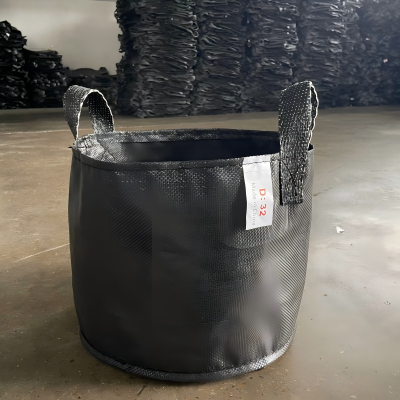
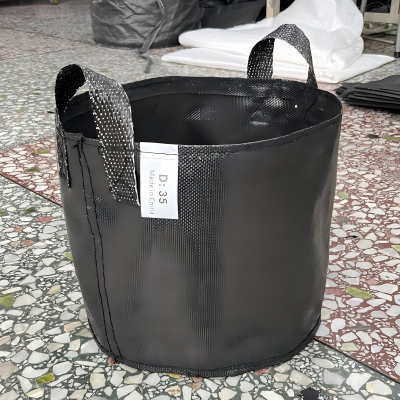
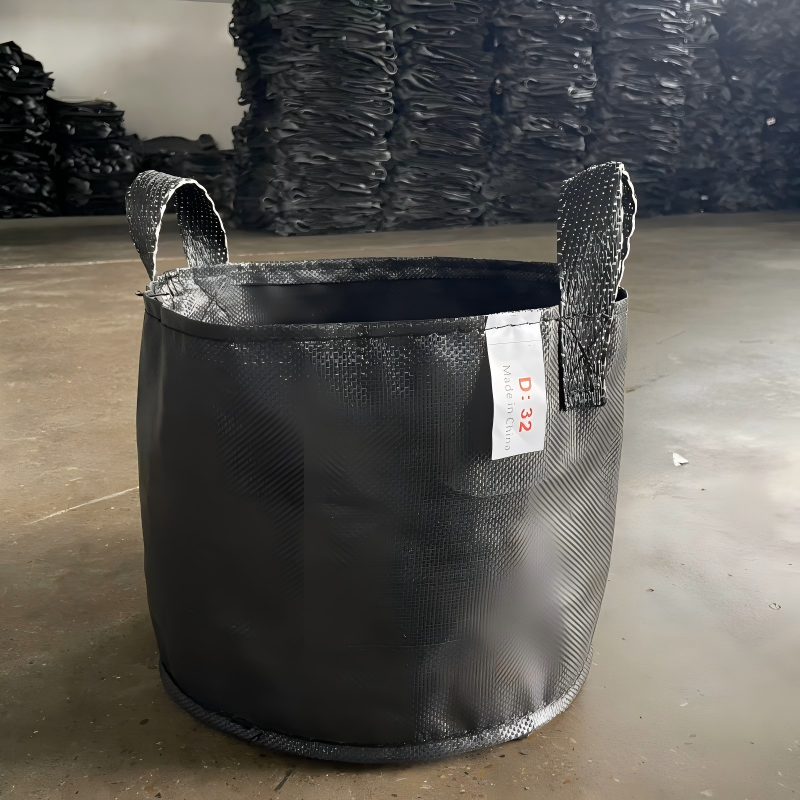
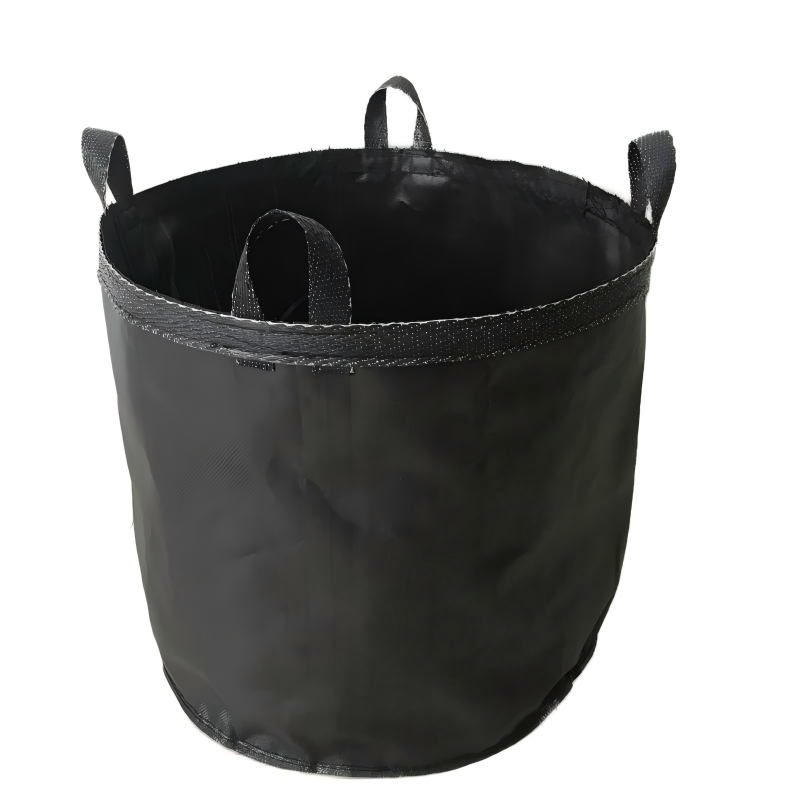
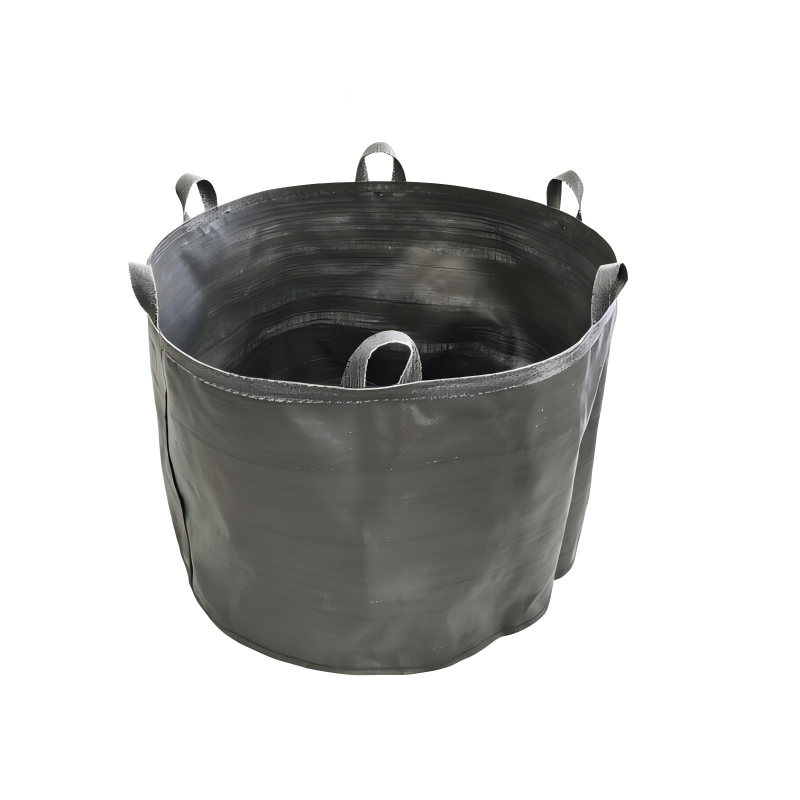
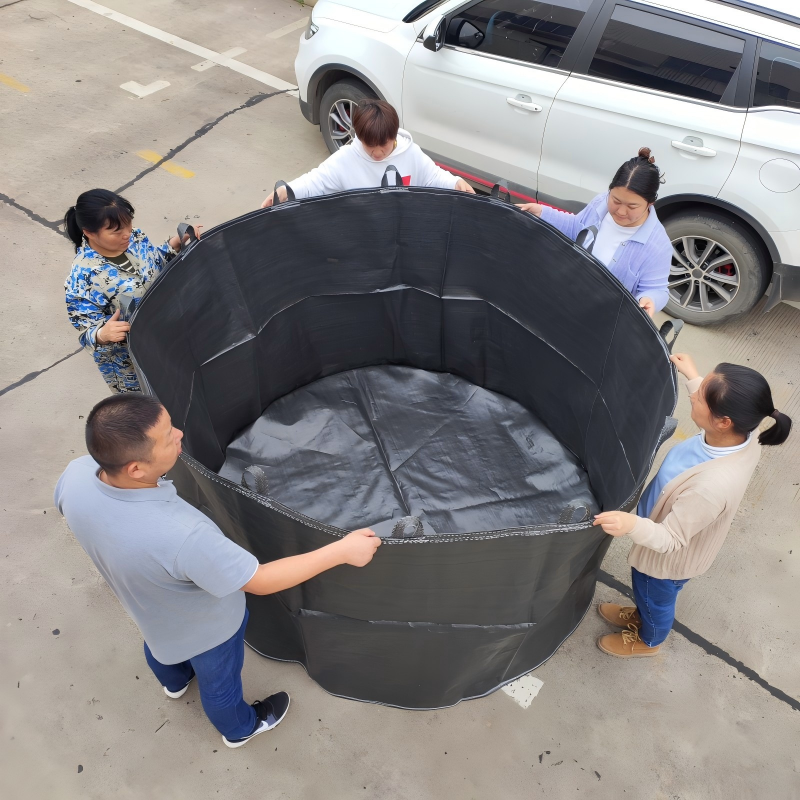
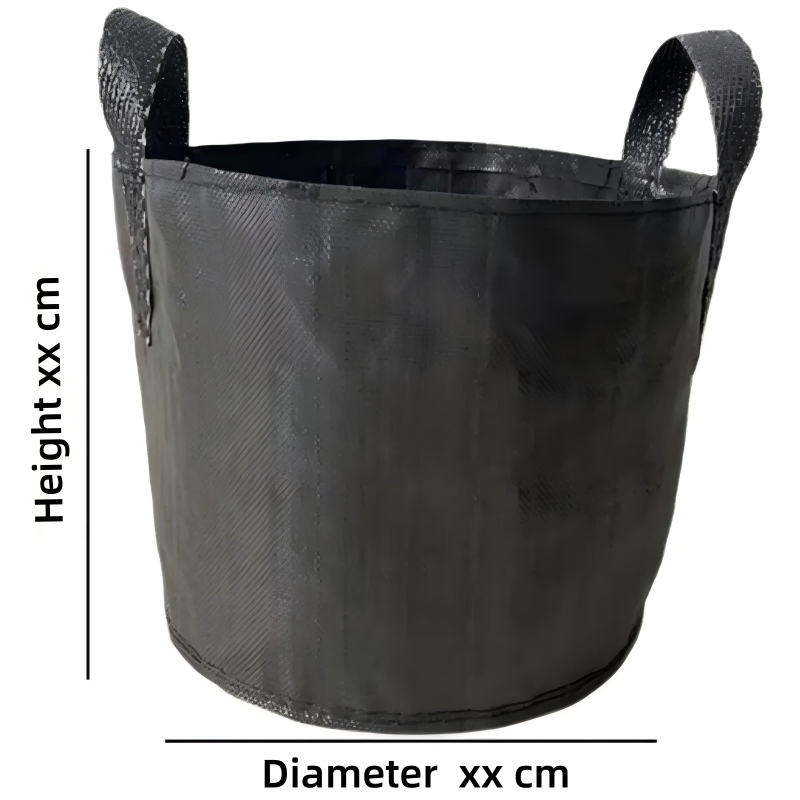
Blueberries are becoming increasingly popular among commercial growers, nurseries, and home gardeners. With their delicious fruit, attractive appearance, and growing market demand, blueberries are widely cultivated in different regions around the world. However, successful blueberry cultivation depends on more than just choosing the right variety and growing medium. Selecting the appropriate container size is also an important factor. Whether you are establishing a commercial blueberry farm, operating a plant nursery, or growing blueberries in your backyard, choosing the correct grow bags size can make a significant difference to plant development, root growth, water management, and long-term growing costs. So, how do you choose the right blueberry grow bag? Should you start with a small container or invest in larger blueberry pots from the beginning? In this guide, we will explain the key factors to consider when selecting blueberry grow bags and help you find the right size for your growing needs. Before choosing a blueberry grow bag, it is important to understand how blueberry roots develop. Unlike many other fruit trees, blueberries have a relatively shallow and fibrous root system. Their roots are fine, delicate, and lack root hairs. Most of their active roots are concentrated in the upper layers of the growing medium. This means blueberries need a growing environment that provides: Sufficient space for horizontal root development. Good air circulation around the root zone. Excellent drainage to prevent waterlogging. Consistent moisture without excessive water retention. An acidic growing medium, generally with a pH of around 4.5–5.5. Because blueberry roots are relatively shallow, container width is often just as important as container depth. When selecting grow bags size, avoid focusing only on volume. Consider the diameter, height, and overall shape of the bag as well. A wider container can provide more horizontal growing space for blueberry roots, while an appropriately designed drainage system helps maintain a healthy root environment. One of the most practical ways to select blueberry grow bags is to consider the age and development stage of the plants. Young blueberry plants do not require the same growing space as mature bushes. Choosing an appropriate container for each stage can help growers manage growing costs and nursery operations more efficiently. For young blueberry seedlings and newly propagated plants, smaller containers may be sufficient during the early growing stage. A smaller container is easier to handle, requires less growing medium, and allows nurseries to arrange more plants within a limited growing area. However, the container should still provide enough room for the developing root system. If the grow bag is too small, the roots may quickly fill the available space, requiring earlier transplanting. As blueberry plants grow, their root systems expand and require more room. Medium-sized grow bags are suitable for plants that have already developed a stronger root system and need additional growing space before being sold or transplanted. For many nursery operations, this stage is particularly important because plants need to develop a healthy root system and attractive above-ground growth before reaching the market. A suitable container helps nurseries maintain consistent plant quality and prepare their products for sale. For mature blueberry bushes or plants intended for long-term container cultivation, larger grow bags may be a better choice. A larger growing volume provides more space for root development and a greater buffer for moisture and nutrient management. It can also reduce the frequency of repotting, depending on the plant's growth rate and cultivation conditions. For commercial growers who plan to keep blueberry plants in containers for several growing seasons, choosing the right larger size from the beginning can be a practical investment. There is no single container size suitable for every blueberry variety and growing system. The ideal size depends on plant age, variety, expected growing period, substrate, irrigation method, and local climate. The following table provides a general reference for selecting blueberry grow bags. These capacities are general starting points rather than fixed horticultural requirements. Growers should adjust the size according to the actual root ball, plant variety, cultivation period, and local growing conditions. At HOKBG, we manufacture PP woven grow bags in a wide range of sizes, from 20 L to 6000 L. For blueberry growers, the following options can be considered: 20 L grow bag: D32 × H25 cm, suitable for relatively small plants and nursery trials. 45 L grow bag: D40 × H35 cm, offering more growing space for developing blueberry plants. 80 L grow bag: D50 × H40 cm, suitable for larger plants requiring additional root space. Custom dimensions are also available to meet different nursery and commercial cultivation requirements. The most important point is to match the bag dimensions with the actual growing needs of your blueberry plants rather than simply choosing the largest available container. Choosing the correct size is important, but the material and structure of the blueberry grow bag also deserve attention. Blueberries have delicate root systems that are sensitive to poor drainage and unfavorable root-zone conditions. Traditional solid containers can restrict airflow through their walls. Depending on their drainage design and growing conditions, this may contribute to excessive moisture around the roots. High-quality PP woven mesh grow bags offer a different growing environment. HOKBG grow bags are manufactured from breathable PP woven mesh fabric. The mesh structure allows air to pass through the sides of the bag, helping improve aeration around the root zone. Good root-zone aeration is an important consideration for container-grown blueberries, especially when combined with a suitable growing medium and proper irrigation. When roots reach the breathable sides of the grow bag, exposure to air can naturally dry the root tips. This process is known as air pruning. Instead of continuing to grow in circles along the container wall, affected root tips stop extending, encouraging the development of new lateral roots within the growing medium. This helps reduce root circling and supports a more branched root system. For blueberry growers, a well-developed root system is essential for establishing healthy plants. Blueberries need consistent moisture, but their roots do not tolerate prolonged waterlogging. The breathable mesh structure of PP woven grow bags allows excess water to pass through the fabric, helping reduce the risk of water accumulation. However, good drainage does not mean the growing medium should dry out too quickly. Growers should select an appropriate substrate, maintain suitable irrigation schedules, and monitor moisture levels according to their climate and cultivation system. When comparing blueberry pots and grow bags, consider the following factors. Think about how much space you have available. If you operate a commercial blueberry nursery, smaller containers may allow you to accommodate more plants during the early growing stage. For larger plants or longer cultivation periods, additional growing volume may be necessary. The container should provide enough room for roots to expand without becoming overcrowded. For blueberries, a wider container can be particularly useful because their root systems tend to develop close to the soil surface. Container weight is another important consideration, especially for commercial nurseries. Traditional rigid pots can become heavy when filled with growing medium. PP woven grow bags are lightweight and flexible, making them easier to transport, store, and handle. HOKBG grow bags also feature reinforced handles for convenient lifting and movement. For nursery operators who regularly move plants between growing areas, loading zones, and sales areas, this can improve handling efficiency. Blueberry plants are often grown outdoors for extended periods. Therefore, the container material should be able to withstand sunlight, rain, and changing weather conditions. HOKBG specializes in high-strength, UV-stabilized PP woven grow bags designed for outdoor nursery applications. Our bags are manufactured using an established black fabric formula, with a focus on strength, UV resistance, and long-term outdoor performance. Even Experienced growers can make mistakes when selecting containers. Here are four common issues to avoid. Mistake 1: Choosing a Container That Is Too Small A small container may be suitable for young plants, but mature blueberry bushes need more root space. If plants outgrow their containers too quickly, frequent repotting can increase labor costs and disturb the growing process. Mistake 2: Choosing a Container That Is Too Large Without Considering Irrigation Bigger is not always better. A large container holds more growing medium and may require different irrigation management. For young plants with small root systems, excessive substrate volume can make moisture management more difficult. Choose a size appropriate for the plant's current development and growing system. Mistake 3: Ignoring Container Shape Two grow bags with the same capacity may have different diameters and heights. Since blueberries have relatively shallow root systems, container dimensions should be considered alongside total volume. Mistake 4: Ignoring Fabric Quality The quality of the grow bag directly affects its performance during outdoor cultivation. A weak fabric or poor stitching may not withstand repeated handling and long-term exposure to sunlight. Choose UV-stabilized fabric with strong seams and reinforced handles to support reliable nursery operations. 7. Why choose hokbg grow bags for blueberry nurseries ? HOKBG is a professional manufacturer of high-strength, UV-stabilized PP woven grow bags. We understand that commercial nurseries need containers that are not only suitable for plant growth but also practical for daily handling, transportation, and plant sales. Our grow bags offer several advantages: Breathable mesh fabric: Allows air and water to pass through the bag. Air-pruning benefits: Helps reduce root circling and encourages lateral root development. High-strength construction: Designed to support growing medium and plants during nursery operations. UV stabilization: Helps improve resistance to outdoor sunlight and aging. Reinforced handles: Make lifting and moving plants more convenient. Flexible size options: Available from 20 L to 6000 L, with customized dimensions according to project requirements. Whether you are growing young blueberry plants, preparing established bushes for sale, or managing a commercial blueberry nursery, we can help you select a suitable grow bag size. Our goal is to provide grow bags that are beneficial for plant growth and beneficial for plant sales. Choosing the correct grow bags size is an important step in successful blueberry cultivation. Consider the plant's age, root system, growing period, container dimensions, and irrigation requirements before making your decision. Smaller grow bags can be suitable for young nursery plants, while medium and larger containers provide additional space for developing and mature blueberry bushes. Just as importantly, choose breathable, durable, UV-stabilized grow bags that can support your nursery's long-term growing and handling requirements. Looking for the right blueberry grow bag for your nursery? Contact HOKBG today. Tell us your blueberry plant size, required capacity, and growing application. Our team will help you find a suitable grow bag solution for your business.Introduction

1. Understand the Roots System of Blueberry plants
2. Choose Grow Bags Size According to Plant Age
Small Grow Bags for Young Blueberry Plants
Medium Grow Bags for Developing Blueberry Plants
Large Grow Bags for Mature Blueberry Bushes
3. Recommended Blueberry Grow Bags Size Guide
Plant Stage Suggested Capacity Typical Application Young plants 10–20 L Early nursery growth Developing plants 20–40 L Root development and plant establishment Established bushes 40–60 L Larger plants and longer growing periods Mature bushes 60–80 L or larger Long-term container cultivation
4. Why Are Breathable Grow Bags Beneficial for Blueberry Cultivation ?
Better Air Circulation
Air Pruning for Healthier Root Development
Water Permeability and Drainage
5. How to Choose Between Different Blueberry Pots and Grow Bags ?
Growing Space
Root Development
Weight and Handling
Durability for Outdoor Use
6. Common Mistakes When Choosing Blueberry Grow Bags Size
Conclusion: SELECT THE RIGHT SIZE FOR BETTER BLUEBERRY GROWING