

How to Choose the Right Grow Bag Size for Different Plants?
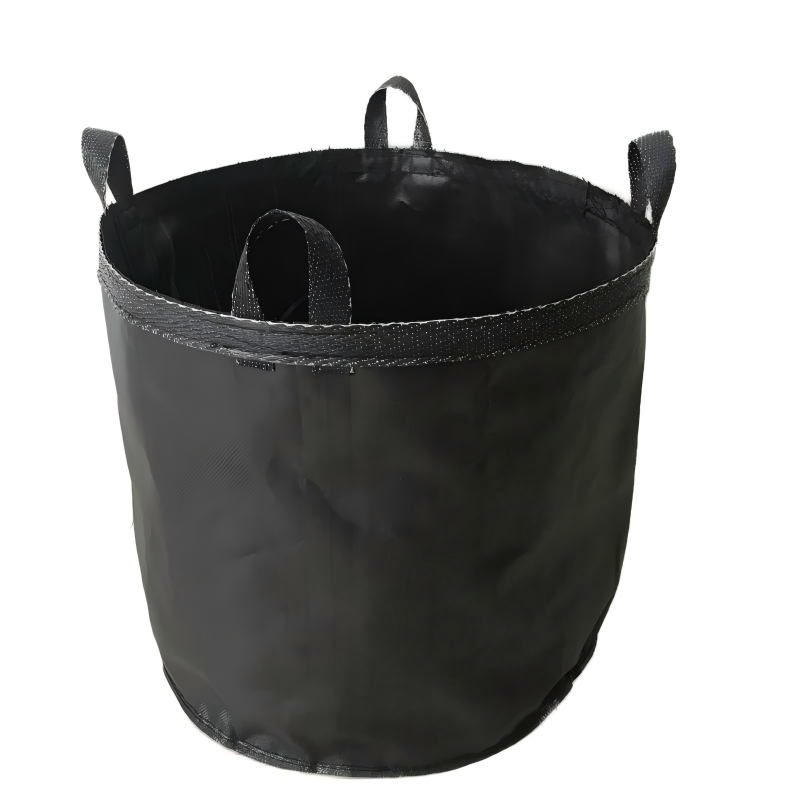
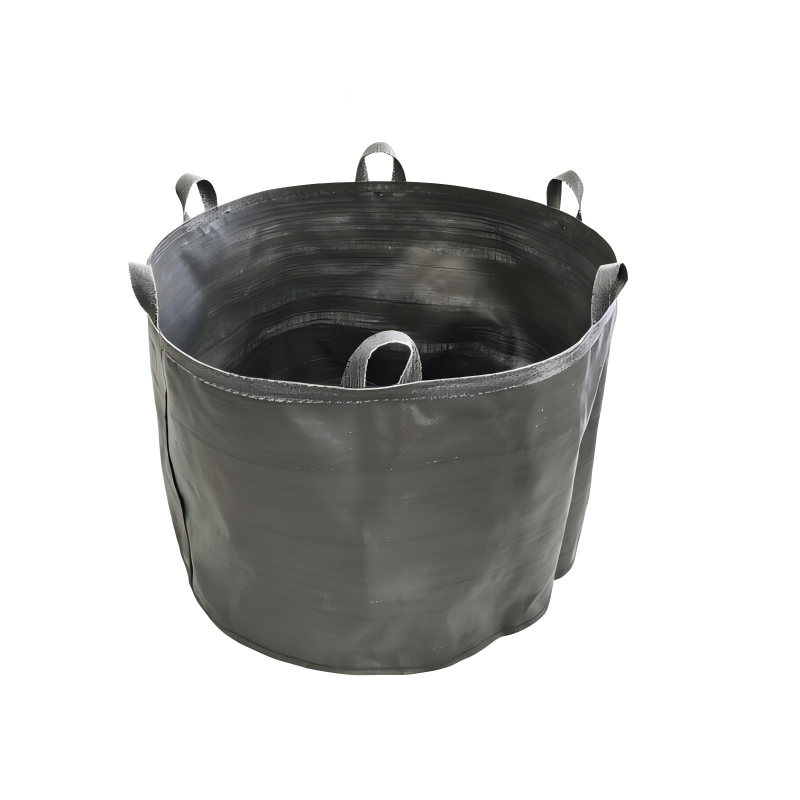
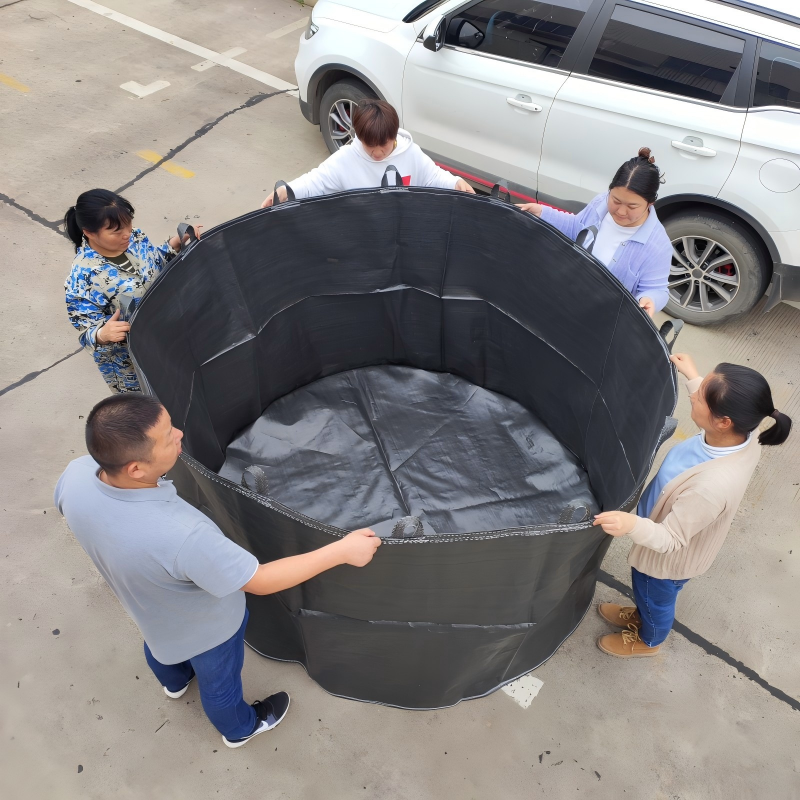
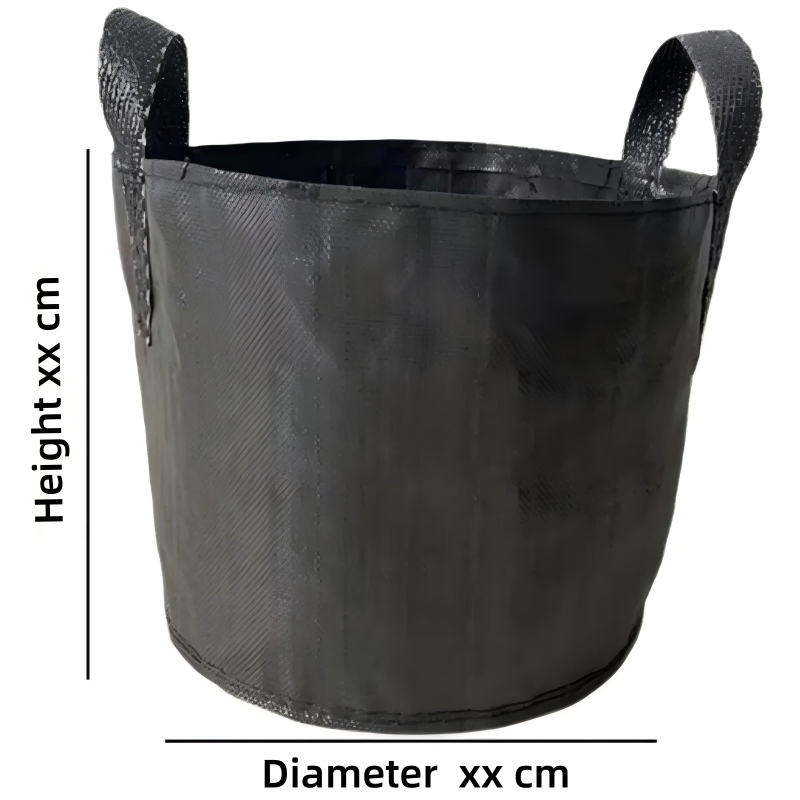
Choosing the right grow bag size is essential for growing healthy and strong plants. However, with so many sizes available, how do you know which one is best for your plants? A grow bag that is too small may limit root development, while one that is too large may take up unnecessary space and increase growing costs. The ideal size depends on several factors, including plant species, root system, growth stage, and growing conditions. At HOKBG, we manufacture PP woven grow bags in capacities ranging from 20L to 2000L and above, with customized diameters and heights to meet different planting requirements. In this guide, we'll help you understand how to choose the right grow bag size for different plants and make a more suitable choice for your nursery or growing business. Choosing the right grow bag size is an important decision for nurseries, commercial growers, and professional landscapers. The size of a grow bag directly affects root development, plant growth, water management, and overall growing performance. Whether you are growing palm trees, fruit trees, ornamental plants, shrubs, or young nursery stock, selecting the right grow bag helps provide sufficient space for healthy root development and long-term plant growth. At HOKBG, we manufacture high-quality PP woven grow bags in a wide range of sizes, from 20L to 2000L and above, helping growers find suitable solutions for different plants and growing requirements. Different plants have different root structures and growth requirements. Before selecting a grow bag, consider the plant species, its current size, expected mature size, and root development. For example: Palm Trees: Palm trees generally develop substantial root systems as they grow. Larger grow bags with sufficient depth and volume are suitable for growing and transporting established palms. Fruit Trees: Avocado, citrus, olive, and other fruit trees need adequate root space to support healthy growth. The appropriate size depends on the tree variety and growing stage. Ornamental Trees: Maples, magnolias, and other ornamental trees may require larger or deeper grow bags as their root systems develop. Shrubs and Flowering Plants: Smaller and medium-sized grow bags may be suitable during the early growing stages, depending on the plant variety. The key is to provide enough room for both root depth and horizontal root development rather than choosing a bag based only on the plant's height. Plants usually need larger containers as they grow. For commercial nurseries, using different grow bag capacities at different growing stages can help manage production space and growing costs. Here is a general reference for selecting grow bag capacities: These capacities are general guidelines rather than fixed planting rules. Actual requirements vary according to plant species, root ball size, growing period, and cultivation conditions. Choosing a grow bag that is too small may restrict root development, while an unnecessarily large bag may increase growing media costs and occupy more nursery space. Capacity is important, but the actual dimensions of a grow bag are equally important. Two grow bags with the same capacity can have different diameters and heights, making them suitable for different plants. When selecting dimensions, consider: Diameter: A wider grow bag provides more horizontal space for root development and can offer better stability for plants with spreading canopies. Height: A deeper grow bag provides additional vertical space for plants with deeper root systems. Shape: The overall shape should match the plant's root structure and growth requirements. For example, palm trees and some other plants may benefit from deeper containers, while plants with spreading root systems may require wider containers. At HOKBG, we support customized grow bag dimensions to meet different planting requirements. Customers can specify the diameter, height, and capacity according to their plants and nursery production needs. The local climate and growing conditions should also influence your choice of grow bag size. In hot and sunny regions, larger grow bags generally hold more growing media and may retain moisture for longer than smaller bags under comparable conditions. However, watering frequency also depends on the growing medium, drainage, plant size, and local weather. For outdoor nurseries, UV resistance is another important consideration. Grow bags exposed to strong sunlight for extended periods need durable materials that can withstand outdoor conditions. HOKBG PP woven grow bags feature UV-resistant and aging-resistant properties. Their uncoated woven structure allows air and water to pass through the gaps in the fabric, supporting root aeration and drainage. For commercial nurseries, choosing the right grow bag is not only about plant growth. Transportation, storage, and daily handling also matter. Large grow bags filled with growing media can become heavy, so reinforced handles are important when moving plants. HOKBG grow bags feature reinforced handles, with each handle designed to support at least 100 kg under suitable handling conditions. Another advantage of PP woven grow bags is that they can be folded flat when empty. Compared with rigid plastic pots, this helps reduce storage space and shipping volume before use. For nurseries purchasing grow bags in bulk, these practical advantages can help improve storage and transportation efficiency. Not every nursery has the same planting requirements. Standard sizes may not always match the root systems, plant varieties, or production methods of every grower. HOKBG provides customized PP woven grow bags for different commercial growing applications. Our product range includes: Capacities from 20L to 2000L+. Customized diameter and height. Reinforced lifting handles. Custom logo printing. UV-resistant and aging-resistant PP woven fabric. Breathable and water-permeable uncoated construction. With over 15 years of manufacturing experience and customers in more than 90 countries worldwide, HOKBG understands the different requirements of professional nurseries and commercial growers. Whether you need 20L grow bags for young nursery trees or 1000L+ bags for large palms, we can help you find suitable dimensions for your application. Still unsure which size is suitable for your plants? You can share the following information with our team: Plant species. Current plant height or root ball dimensions. Preferred grow bag capacity. Intended growing application. Our team can help recommend suitable grow bag dimensions based on your requirements. Contact HOKBG today for customized PP woven grow bags and professional size recommendations.Introduction
How to Choose the Right Grow Bag Size for Different Plants?
1. Consider the Plant Type and Root System
2. Choose Grow Bag Capacity According to Plant Growth Stages
Grow Bag Capacity Typical Applications 20L–40L Young trees, small ornamental plants, and nursery stock 45L–60L Medium-sized shrubs and young fruit trees 80L–100L Larger shrubs, developing fruit trees, and ornamental trees 150L–300L Established trees, larger palms, and specimen plants 500L–1000L Large palms and mature nursery trees 1000L–2000L+ Extra-large trees and specialized nursery applications 3. Pay Attention to Diameter and Height
4. Consider the Growing Environment
5. Why Grow Bag Dimensions Matter for Transportation and Handling
6. Custom Grow Bag Sizes from HOKBG
7. Get Help Choosing the Right Grow Bag Size