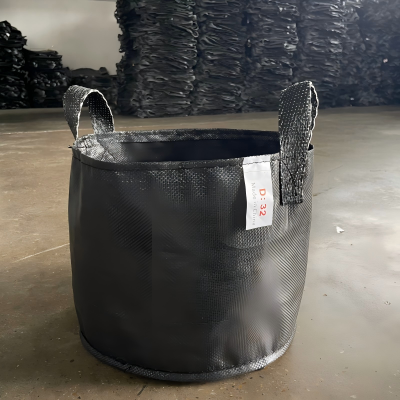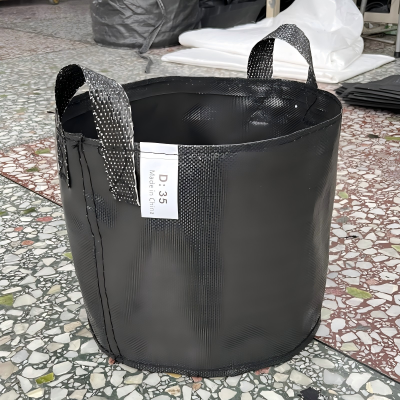
How Many Grow Bags Fit in a 20ft/40ft Container? A Complete Shipping Guide for Grow Bag Buyers
How Many Grow Bags Fit in a 20ft/40ft Container? A Complete Shipping Guide for Grow Bag Buyers
For commercial nurseries, landscaping companies, and distributors, container loading capacity is an important factor when purchasing grow bags in bulk.
Many buyers ask:
“How many grow bags can fit in a 20ft container?”
“How many grow bags can fit in a 40ft container?”
However, there is no fixed answer.
The loading quantity depends on multiple factors, including:
•Grow bag size
•Fabric thickness
•Bag weight
•Folding method
•Packaging method
•Carton or bale size
•Container loading requirements
Different grow bag sizes can have completely different loading quantities, even from the same manufacturer.
1. Why Container Loading Quantity Is Different for Each Grow Bag Size?
Grow bags are flexible products, so their shipping volume is mainly determined by the folded size rather than the planting volume.
For example:
A small grow bag may be folded into a compact package, allowing thousands of pieces to be loaded into one container.
A large tree grow bag requires much more fabric and takes up more folded space, so the quantity per container decreases significantly.
Therefore:
Small grow bags ≠ large quantity always
Large grow bags ≠ same loading calculation method
Every size requires an individual calculation.
2. Main Factors Affecting Grow Bag Container Capacity
1. Grow Bag Size
This is the biggest factor.
Different capacities require different amounts of PP fabric.
For example:
•Small nursery grow bags usually occupy less shipping space.
•Medium grow bags require more volume.
•Large tree grow bags may occupy much more container space.
A container that holds ten thousands of small bags may only hold thousands of large tree planting bags.
2. Fabric Thickness and GSM
The fabric weight affects both product quality and shipping volume.
A heavier grow bag normally means:
•More PP material
•Higher product weight
•Larger folded volume
Commercial buyers should balance:
•Required strength
•Expected service life
•Shipping cost
3. Folding and Packaging Method
Professional manufacturers optimize packaging by:
•Folding bags efficiently
•Compressing packages properly
•Reducing unnecessary empty space
Good packaging design can significantly improve container utilization.
4. Container Type
The most common shipping containers are:
20ft Container
Suitable for:
•Trial orders
•Medium-volume purchases
•Mixed-size orders
40ft Container
Suitable for:
•Large wholesale orders
•Distributor purchases
•Commercial nursery projects
A 40ft container generally provides much more loading space than a 20ft container, but the exact quantity still depends on product size and packaging.
3. Why Mixed Grow Bag Sizes Are More Difficult to Calculate
Many customers purchase multiple sizes together.
For example, one order may include:
•Small grow bags
•Medium grow bags
•Large tree bags
•Extra-large planter bags
In this situation, container loading becomes more complicated.
The calculation needs to consider:
•Quantity of each size
•Package dimensions
•Weight distribution
•Loading sequence
•Available container space
A mixed-size container cannot simply be calculated by adding individual quantities.
Professional suppliers usually create a loading plan before production.
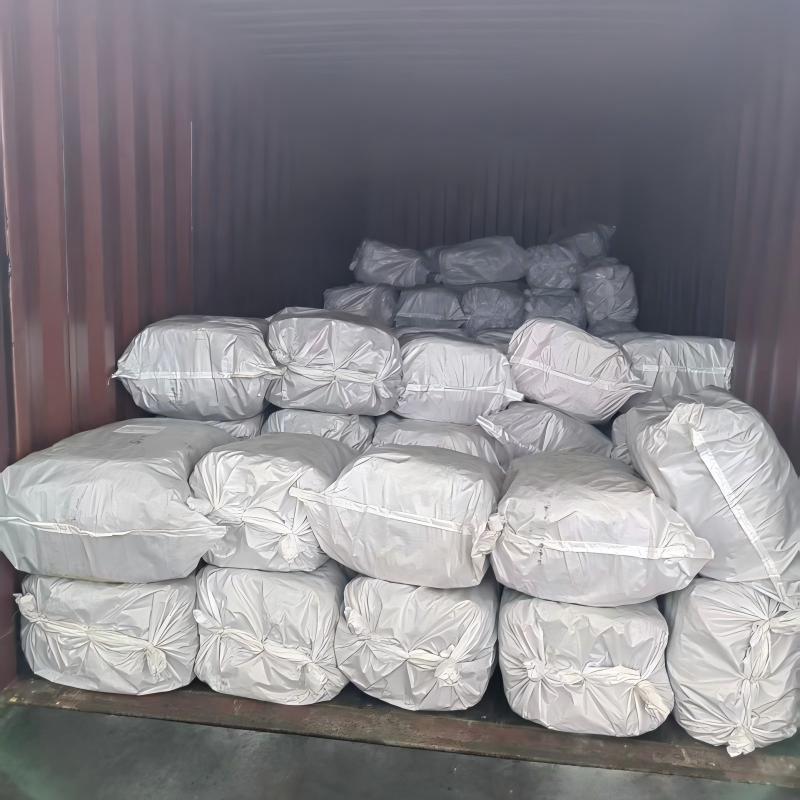
4. How Professional Grow Bag Suppliers Calculate Container Loading
Before shipment, suppliers normally evaluate:
Step 1: Confirm Product Specifications
Including:
•Grow bag size
•Fabric GSM
•Handle design
•Packaging method
Step 2: Calculate Folded Package Volume
The planting size is not used directly.
The supplier calculates based on:
•Folded dimensions
•Number of bags per package
•Total package volume
Step 3: Create Container Loading Plan
The supplier considers:
•Container space
•Weight limitation
•Package arrangement
•Loading safety
This helps maximize container utilization while protecting the products.
5. Example: Why Size Selection Matters for Shipping Cost
Imagine two customers ordering the same total number of grow bags.
Customer A purchases small grow bags.
Customer B purchases large tree planting bags.
Even with the same quantity, the required container space can be completely different.
This means commercial buyers should consider:
•Product requirements
•Container capacity
•Shipping cost per unit
when planning bulk purchases.
6. How to Reduce Shipping Cost When Buying Grow Bags
Commercial buyers can consider several strategies:
Order Larger Quantities
Larger orders usually reduce average shipping cost per unit.
Plan Sizes Carefully
Avoid unnecessary mixed sizes if possible.
Confirm Packaging Before Production
Ask the supplier about:
•Bale size
•Package quantity
•Container loading plan
Work With an Experienced Manufacturer
A professional grow bag manufacturer can help optimize loading efficiency.
7. HOKBG Container Loading Support for Commercial Customers
HOKBG specializes in manufacturing PP grow bags for:
•Commercial nurseries
•Landscape companies
•Tree growers
•Plant distributors
Because grow bag sizes vary significantly, we do not provide one fixed container quantity for all products.
Instead, we calculate according to:
•Grow bag size
•Quantity requirement
•Fabric specification
•Packaging method
•Container type
This provides customers with a more accurate shipping plan before production.
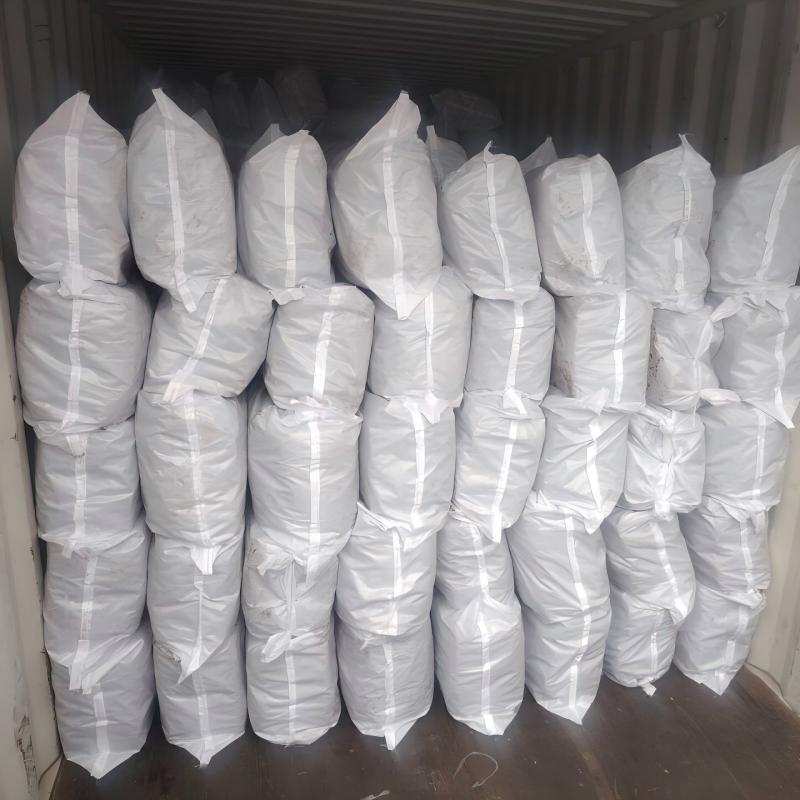
Contact HOKBG for Grow Bag Solutions and Samples
If you are planning a bulk order of grow bags, HOKBG welcomes you to contact us.
We can provide:
•Product specifications
•Container loading suggestions
•Technical information
•Customized recommendations
•Sample testing support
Free Samples Available
HOKBG can provide free grow bag samples for customers who want to test product quality before placing a large order.
Please note: the samples are free, but the shipping/freight cost needs to be paid by the customer.
Testing samples before bulk purchasing can help you evaluate:
•Fabric quality
•Strength
•Breathability
•Handle performance
•Overall suitability for your plants
Contact HOKBG today for professional grow bag solutions.
Conclusion
The number of grow bags that fit into a 20ft or 40ft container depends on many factors, especially grow bag size, packaging method, fabric thickness, and order combination.
There is no universal loading quantity because every specification requires individual calculation.
For commercial buyers, working with an experienced grow bag supplier can help optimize container space, reduce shipping costs, and ensure a smooth purchasing process.