HOKBG Blueberry Grow Bags: Supporting Blueberry Growth from Planting to Harvest
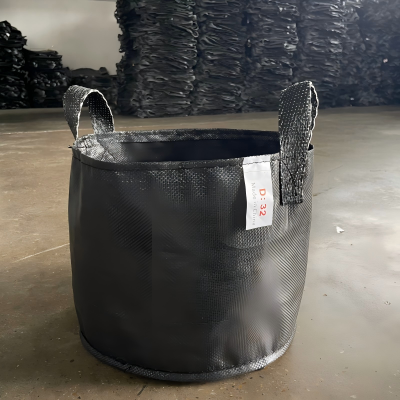
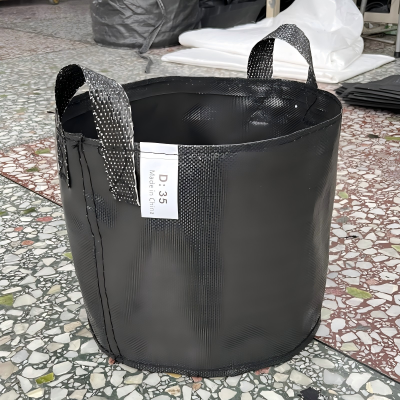
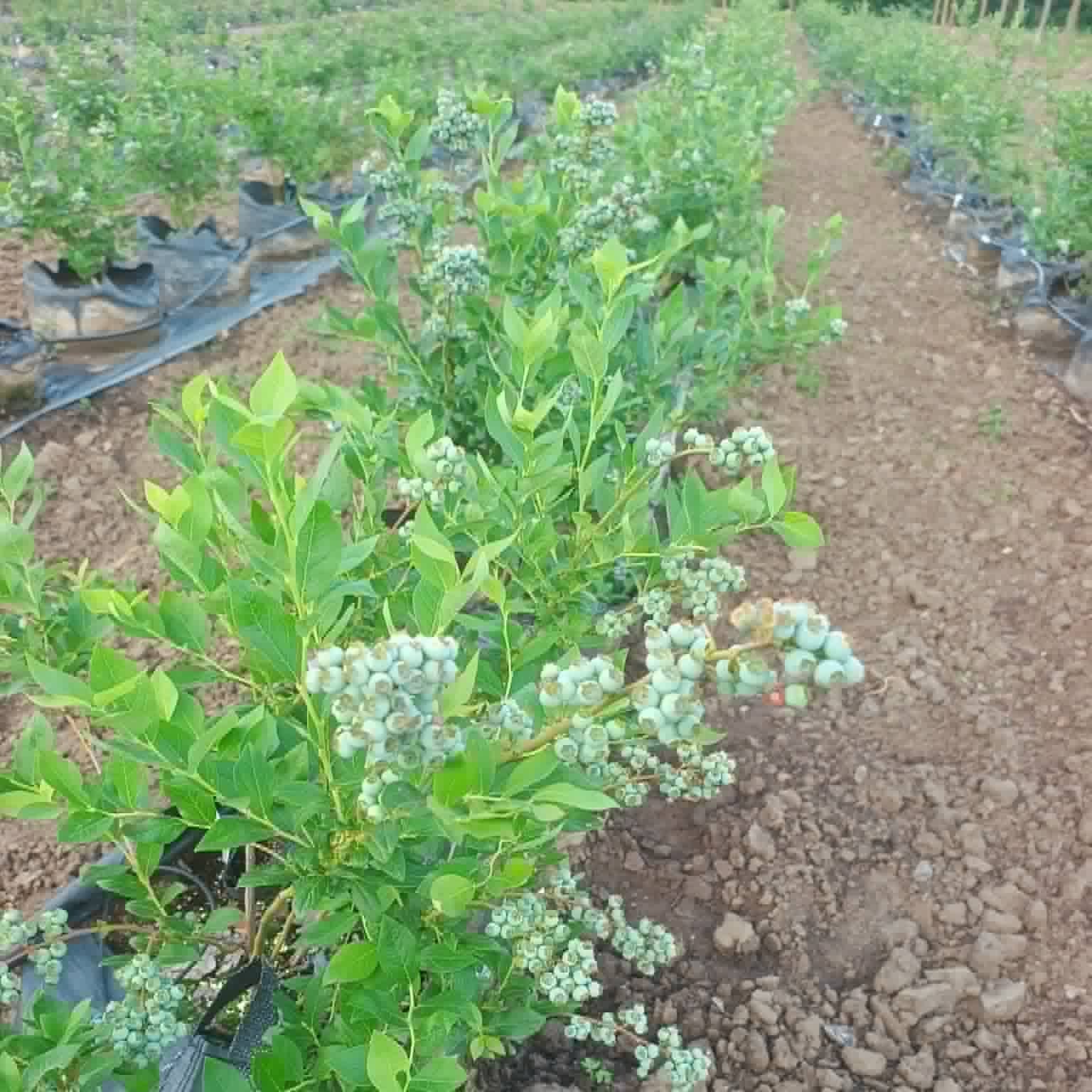
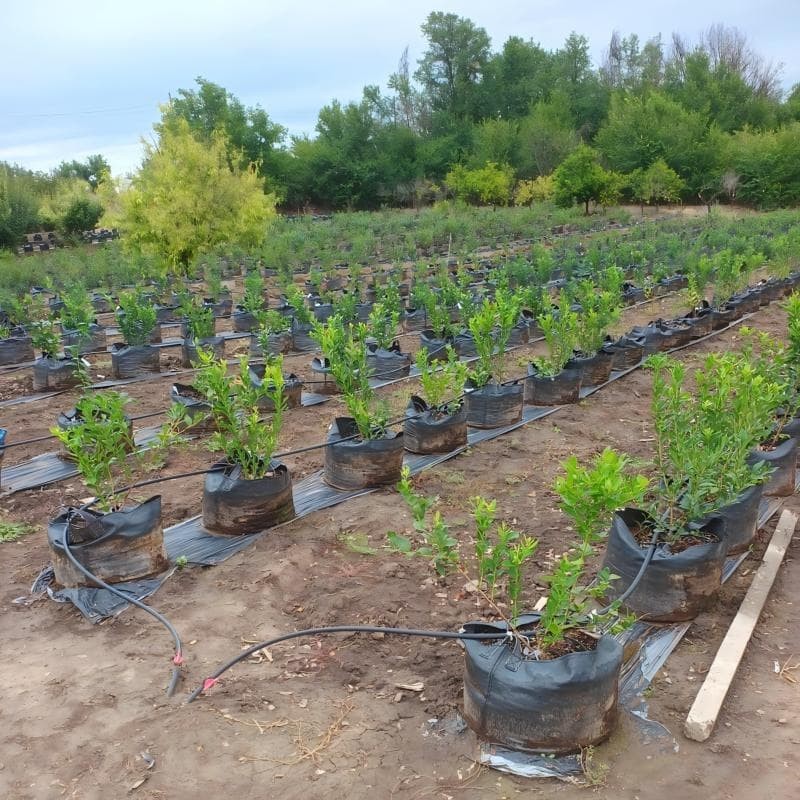
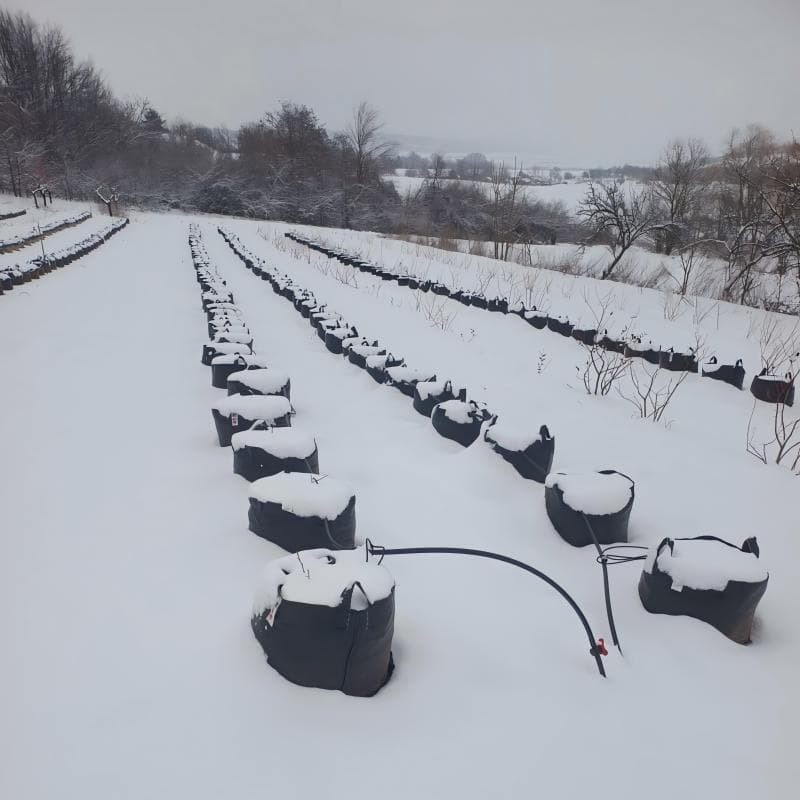
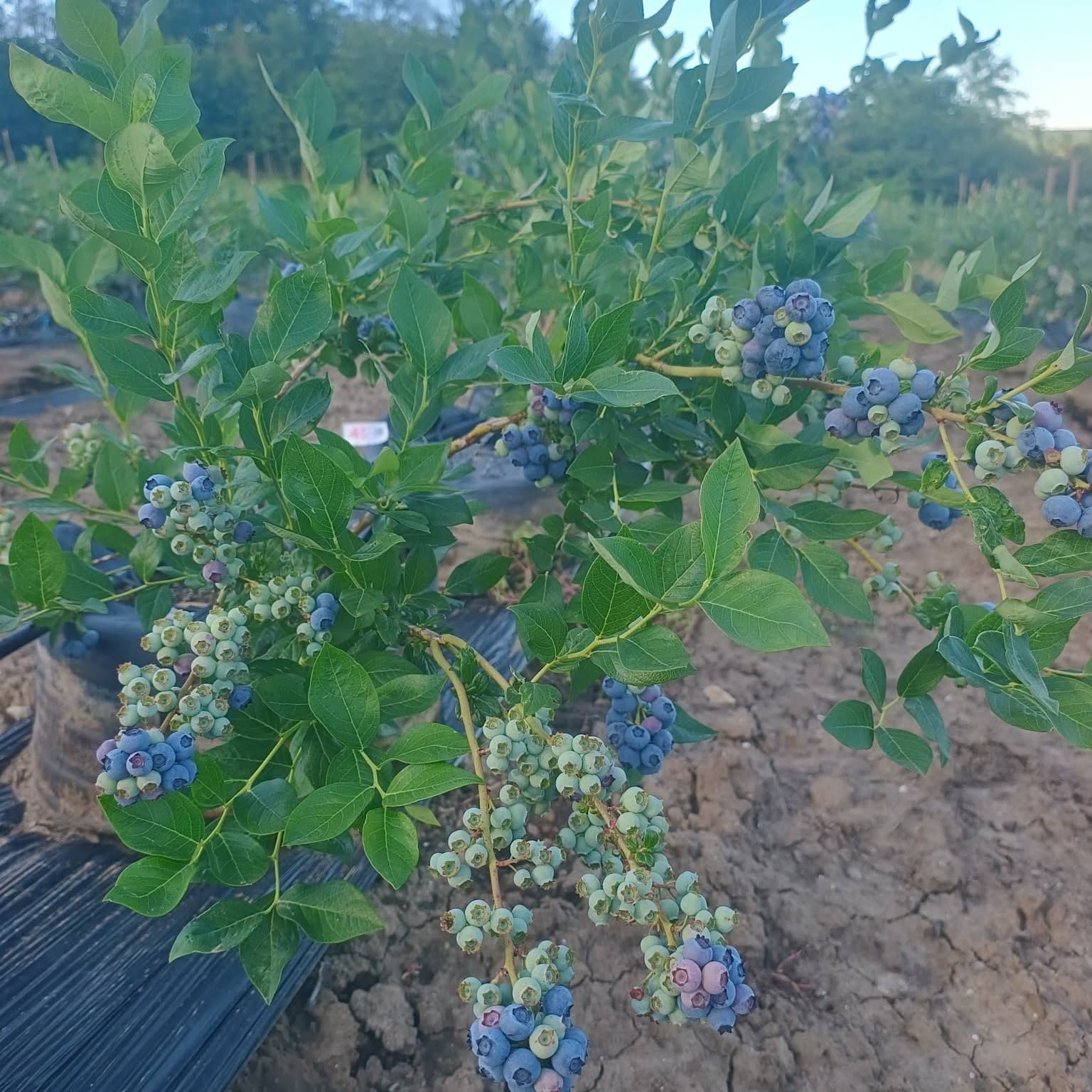
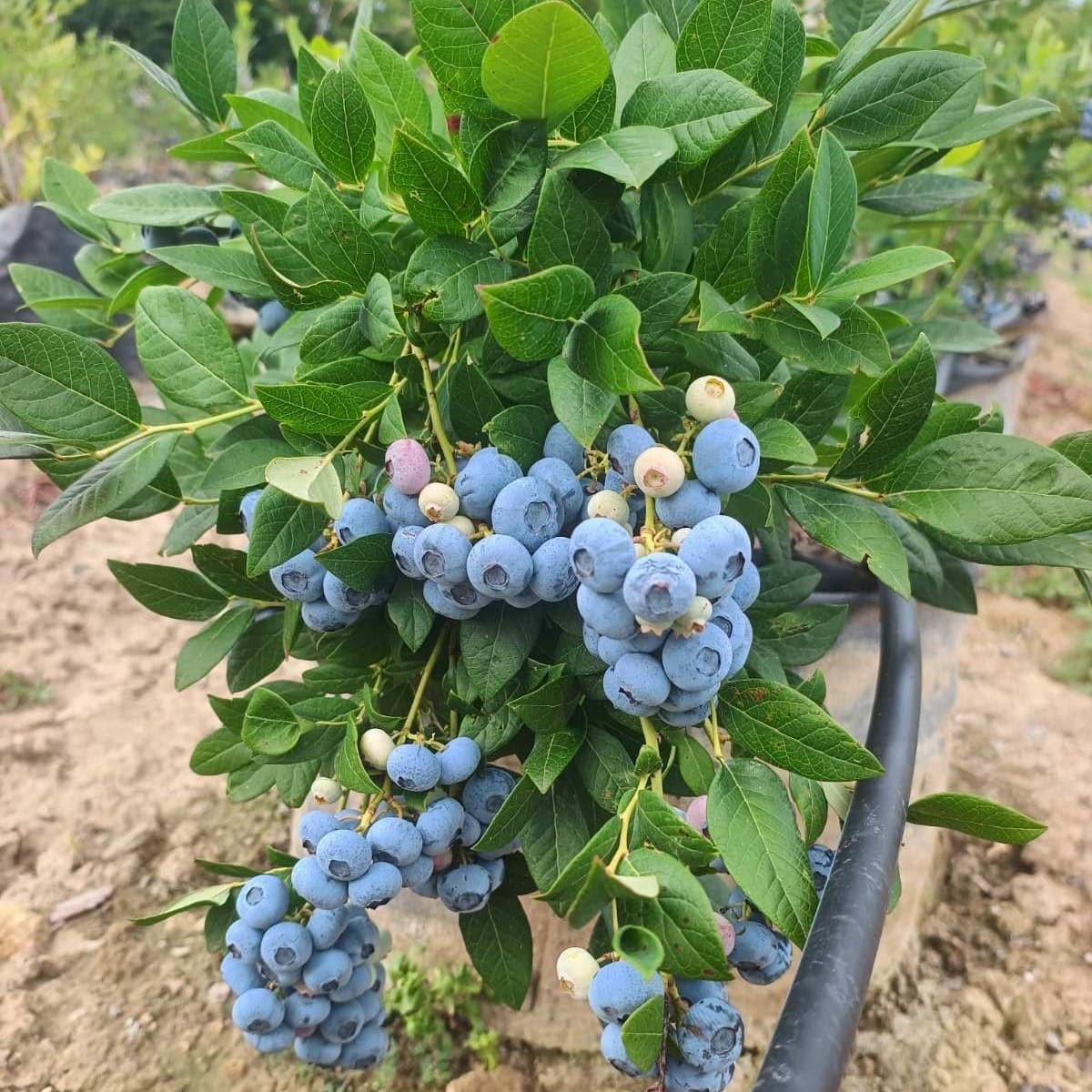
Why Choose a Blueberry Grow Bag for Commercial Blueberry Cultivation? A suitable blueberry grow bag can help commercial growers manage the growing environment, drainage, and root-zone conditions of container-grown blueberry plants. HOKBG grow bags are made from high-strength, UV-stabilized polypropylene (PP) woven fabric, offering a breathable, water-permeable container solution for nurseries and commercial growers. For blueberry producers, choosing the right growing container is only one part of successful cultivation. Blueberries require an acidic growing medium, consistent moisture, and effective drainage. A well-designed grow bag can support these requirements while giving growers greater flexibility in plant placement and nursery management. HOKBG has supplied grow bags for commercial horticultural applications, including blueberry cultivation. Feedback and photographs from our customer in Bulgaria show the plants at different stages, from initial planting to snowy winter conditions and, finally, fruit-bearing bushes. This real-world growing journey illustrates how grow bags can be incorporated into a blueberry production system throughout the growing cycle. Blueberry cultivation requires careful management of the root environment. Unlike some fruit crops, blueberries are sensitive to soil pH and poorly drained growing media. Their roots need sufficient moisture without prolonged waterlogging. HOKBG grow bags are designed to provide several practical advantages for container-based growing. HOKBG blueberry grow bags are manufactured from woven polypropylene fabric. Their breathable structure allows air exchange through the fabric, helping create a growing environment that differs from a conventional solid-sided container. Good root-zone aeration is an important consideration in container production. However, the final result also depends on the growing medium, irrigation frequency, drainage, and the way the bags are positioned. For commercial growers, combining breathable grow bags with an appropriately formulated blueberry substrate can help establish a manageable root environment. Blueberry roots need consistent access to moisture, but excess water must also be able to drain away. Prolonged waterlogging can damage roots and increase the risk of root diseases. HOKBG woven grow bags allow water to pass through the fabric, helping growers manage excess moisture when the substrate and growing setup are appropriate. The goal is to maintain a balance: enough water for healthy plant development, with sufficient drainage to prevent the growing medium from remaining saturated. For best results, growers should select a suitable substrate, monitor moisture levels, and adjust irrigation according to weather conditions and plant requirements. In conventional solid-sided containers, roots may encounter smooth walls that encourage them to grow along the container surface. Air-pruning containers are designed to encourage root branching when growing root tips encounter air. HOKBG breathable woven grow bags offer an alternative to rigid plastic containers for growers who want to manage root development in a flexible growing system. Actual root development depends on the bag design, substrate, plant variety, and growing conditions. Growers should assess these factors when selecting containers for their production system. Commercial blueberry farms may handle hundreds or thousands of plants. Container durability, handling efficiency, and long-term performance are therefore important purchasing considerations. HOKBG grow bags feature reinforced handles to support practical handling during nursery operations, repositioning, and transportation. The required bag capacity and handle configuration should be selected according to plant size, substrate weight, moisture content, and handling method. Blueberry plants may remain outdoors through changing seasons, exposing their containers to sunlight, rain, wind, and temperature fluctuations. HOKBG uses a UV-stabilized PP woven fabric formulation developed for outdoor nursery applications. This helps the bags resist UV-related aging during extended outdoor use. Actual service life depends on sunlight intensity, climate, handling, and other environmental conditions. Selecting a grow bag designed for outdoor use can help growers plan their container investment more effectively. Product specifications are important, but seeing how a product is used in a real growing environment provides another valuable perspective. Our customer in Bulgaria shared photographs documenting blueberry plants at different stages of cultivation. The images capture three important moments: planting, winter exposure, and fruit development. Image 1: Blueberry plants shortly after planting in HOKBG grow bags. At the beginning of the growing journey, the grow bags provide individual containers for blueberry plants. This arrangement allows growers to organize their planting layout and manage the growing medium around each plant. Container cultivation can be particularly useful when growers need greater control over soil conditions. Instead of relying entirely on the native soil, they can prepare a substrate specifically suited to blueberries. Blueberries generally perform best in acidic growing media, with the appropriate pH depending on the production system and cultivar. Many commercial container systems use peat-based or other suitable soilless substrates, sometimes combined with materials that improve aeration and drainage. With HOKBG grow bags, growers can establish a container-based system around their chosen substrate, irrigation method, and plant spacing. For nurseries supplying blueberry plants or commercial farms establishing new production areas, this flexibility can be a practical advantage. Image 2: HOKBG grow bags with blueberry plants under snow in Bulgaria. Winter can be an important test for outdoor nursery operations, especially in regions that experience freezing temperatures and snowfall. The photographs from Bulgaria show the customer's blueberry plants and grow bags in a snowy outdoor environment. They provide a real example of the conditions in which the bags were being used. For growers in climates with cold winters, container selection should consider not only fabric durability but also the protection of the plants' root systems. Roots in above-ground containers can experience colder temperatures than roots insulated by the surrounding soil. Snow cover, exposure to wind, container position, substrate moisture, and the cold tolerance of the blueberry cultivar can all influence winter performance. HOKBG grow bags provide a flexible container option for outdoor cultivation, but they do not eliminate the need for winter management. Depending on local conditions, growers may need to use suitable overwintering measures, such as grouping containers, adding insulation, or moving plants to a protected location. The Bulgarian customer's photographs illustrate outdoor use during snowy conditions. They should not be interpreted as a controlled test of frost resistance or as proof that every blueberry variety can overwinter safely in exposed containers. Image 3: Blueberry bushes carrying fruit in the Bulgarian customer's growing operation. The fruit-bearing plants provide the most visible part of this growing story. For blueberry growers, the ultimate objective is not simply to establish plants, but to maintain healthy bushes capable of producing marketable fruit under suitable growing conditions. The customer's photographs show blueberry plants at a fruit-bearing stage, providing a practical example of HOKBG grow bags being used in a real cultivation setting. It is important to recognize that fruit production depends on many factors, including cultivar selection, plant maturity, pollination, pruning, nutrition, irrigation, light exposure, and climate. The grow bag is one component of the overall production system. Nevertheless, choosing a suitable container can help growers organize their planting operation and manage the root environment more consistently. From newly planted bushes to snowy winter scenes and fruit-bearing plants, the Bulgarian customer's photographs document different stages of blueberry cultivation using HOKBG grow bags. A quality grow bag works best when combined with appropriate growing practices. For commercial growers, the following considerations are especially important. The required capacity depends on the blueberry cultivar, plant age, expected growing period, substrate characteristics, and production goals. Young plants may need smaller containers initially, while long-term production systems may require larger or wider containers. Blueberries generally have relatively shallow root systems, so container dimensions and substrate volume should be considered together. HOKBG offers grow bag capacities from 20 L to 6,000 L, with regular production sizes available up to 2,000 L and larger customized options for specialized applications. Not every size is appropriate for blueberry production. Contact our team with your plant size, growing method, and intended production period so we can help you evaluate a suitable specification. Blueberries require acidic growing conditions. A substrate pH around 4.5–5.5 is commonly used as a starting reference, although the appropriate target depends on the cultivar and production system. Before planting, prepare a suitable substrate and check its pH. Continue monitoring it during cultivation because irrigation water, fertilizers, and substrate changes can affect the root environment. A breathable blueberry grow bag cannot compensate for an unsuitable substrate. Correct pH management remains essential. Blueberries are sensitive to drying out, but their roots also need oxygen. Monitor substrate moisture regularly and adjust irrigation according to plant demand, temperature, rainfall, and the water-holding capacity of the growing medium. During hot weather, container-grown plants may dry out faster. During rainy periods, check that excess water can drain away effectively. Good irrigation management is particularly important when growing blueberries in above-ground containers. HOKBG grow bags are currently supplied in black PP woven fabric. Black containers can absorb substantial solar heat, and exposed root zones may become warmer during hot weather. In warm climates or during summer heatwaves, growers should monitor substrate temperatures and moisture carefully. Depending on the site, measures such as suitable spacing, irrigation scheduling, or partial shading during extreme heat may help protect roots. The most suitable setup depends on local climate, cultivar, and production method. In regions with cold winters, growers should consider the hardiness of their blueberry varieties and the additional exposure experienced by container-grown roots. In warmer regions, summer heat and moisture management may be the primary challenges. HOKBG grow bags can be incorporated into different outdoor growing systems, but successful year-round cultivation requires a management plan suited to the local environment. HOKBG specializes in high-strength, UV-stabilized PP woven grow bags for commercial nurseries and horticultural applications. Our product range is designed to support growers who need practical containers for plant production, handling, and outdoor use. Key features include: Breathable woven fabric: Supports air exchange around the growing medium. Water-permeable construction: Helps manage excess water when used with a suitable substrate and growing setup. Reinforced handles: Supports handling and transportation, subject to bag capacity and load requirements. UV-stabilized material: Designed to improve resistance to outdoor UV-related aging. Flexible capacity options: Sizes from 20 L to 6,000 L are available across our product range, depending on specification. Factory customization: Selected dimensions and configurations can be customized for commercial requirements. We understand that commercial growers need more than a container. They need a product that fits their plant size, production process, climate, and handling requirements. Whether you operate a blueberry nursery, manage a commercial berry farm, or supply horticultural products to growers, HOKBG can help you evaluate a suitable grow bag specification. The Bulgarian customer's growing photographs offer a real-world look at HOKBG grow bags in outdoor blueberry cultivation. From initial planting to snowy winter conditions and fruit-bearing plants, the images provide useful context for growers evaluating woven grow bags for their own production systems. Every farm has different requirements. The best choice depends on the blueberry variety, substrate, container capacity, irrigation system, climate, and expected service life. If you are looking for a reliable blueberry grow bag supplier for your nursery or commercial growing operation, HOKBG welcomes your inquiry. Contact us to discuss your required capacity, dimensions, order quantity, and growing conditions. Our team can help you identify a practical grow bag solution for your blueberry production needs. HOKBG — High-strength, UV-stabilized grow bags for commercial horticulture. Contact HOKBG today to discuss your blueberry grow bag requirements.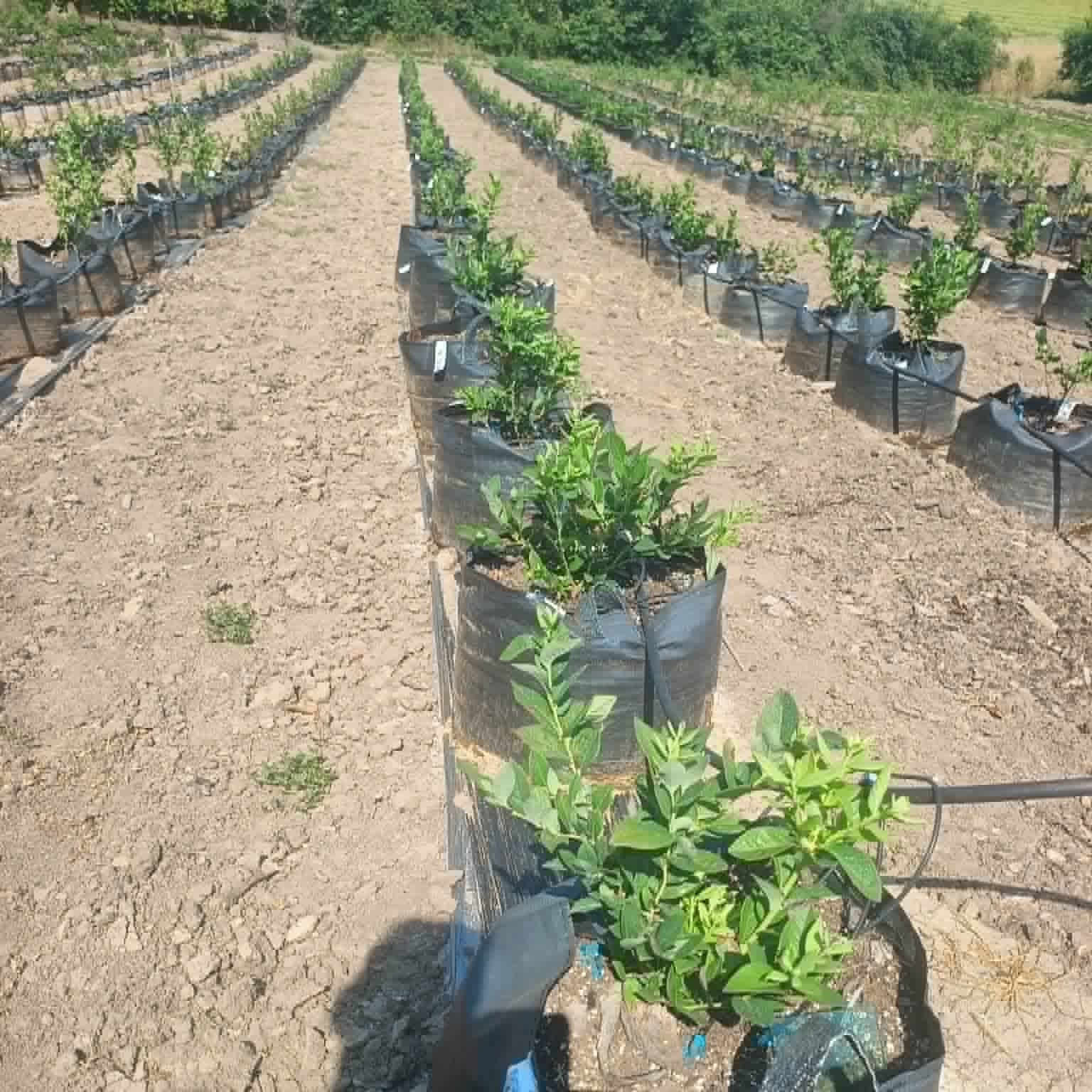
1. What Makes HOKBG a Suitable Blueberry Grow Bag ?
Breathable Woven Fabric for Root-Zone Aeration
Water Permeability and Drainage
Root Management for Container-Grown Blueberries
High Strength for Nursery Operations
UV Stabilization for Outdoor Use
2. A Real Blueberry Growing Journey from Bulgaria
Stage One: From Newly Planted Blueberries to Established Plants
Stage Two: Blueberry Grow Bags in Snowy Winter Conditions
Stage Three: From Planting to Fruit-Bearing Blueberry Bushes
3. Important Growing Tips When Using a Blueberry Grow Bag
Choose the Right Bag Capacity
Maintain the Correct Substrate pH
Balance Irrigation and Drainage
Manage Heat Exposure
Plan for Seasonal Changes
4. Why Commerical Growers Choose HOKBG Grow Bags
5. Looking for a Blueberry Grow Bag Supplier ?