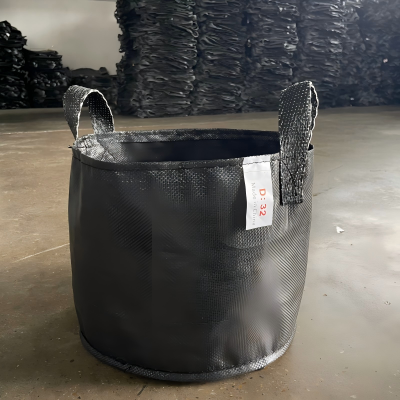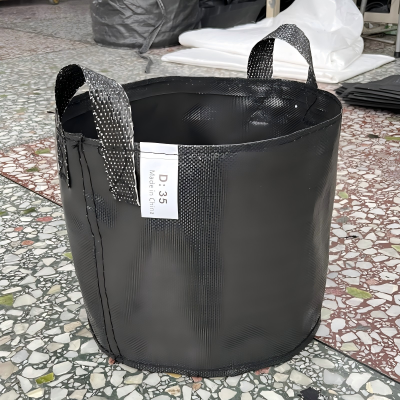
Growing Palm Trees in Large Planter Bags: Commercial Guide
Growing Palm Trees in Large Planter Bags: Commercial Guide
Palm trees are widely used in landscaping, resorts, hotels, commercial properties, urban projects, and residential gardens. For professional nurseries, growing palms to a larger, more established size before sale can increase their commercial value and make them more suitable for immediate landscape installation.
However, producing large container-grown palms requires careful management of the root system, growing media, irrigation, transportation, and container durability.
For many commercial growers, palm tree grow bags provide a flexible solution for producing larger palms while keeping the root zone manageable.
1. Why Grow Palm Trees in Large Planter Bags?
Palm trees can develop substantial root systems as they mature. When grown directly in the ground, moving established palms can require considerable labor and specialized equipment.
Growing palms in large planter bags gives nurseries greater control over the production process.
Better Root-Zone Management
The root environment can be managed through:
•Growing media selection
•Irrigation
•Fertilization
•Drainage
•Container size
This makes production easier to plan and allows nurseries to prepare plants for future landscape projects.
Easier Plant Handling
Container-grown palms can be moved between different areas of a nursery or prepared for delivery without digging the entire root system out of the ground.
This can be especially useful for nurseries supplying:
•Landscape contractors
•Hotels and resorts
•Garden centers
•Property developers
•Municipal landscaping projects
2. Choosing the Right Planter Bag Size
One of the most important decisions when growing palms in containers is choosing an appropriate bag size.
There is no universal size that works for every palm.
The selection should consider:
•Palm species
•Plant height
•Trunk development
•Root volume
•Canopy size
•Expected production period
•Final selling size
Avoid Choosing Only by Plant Height
Two palms with the same height may have very different root systems.
A better approach is to evaluate both the above-ground plant and the root-zone requirements.
Avoid Oversizing the Container
A much larger container is not always better.
An unnecessarily large bag can increase:
•Growing media costs
•Irrigation requirements
•Transportation weight
•Nursery space requirements
Professional nurseries should choose the container based on the entire production cycle.
3. Root Development Is Critical for Container-Grown Palms
A healthy root system is essential for palm tree production.
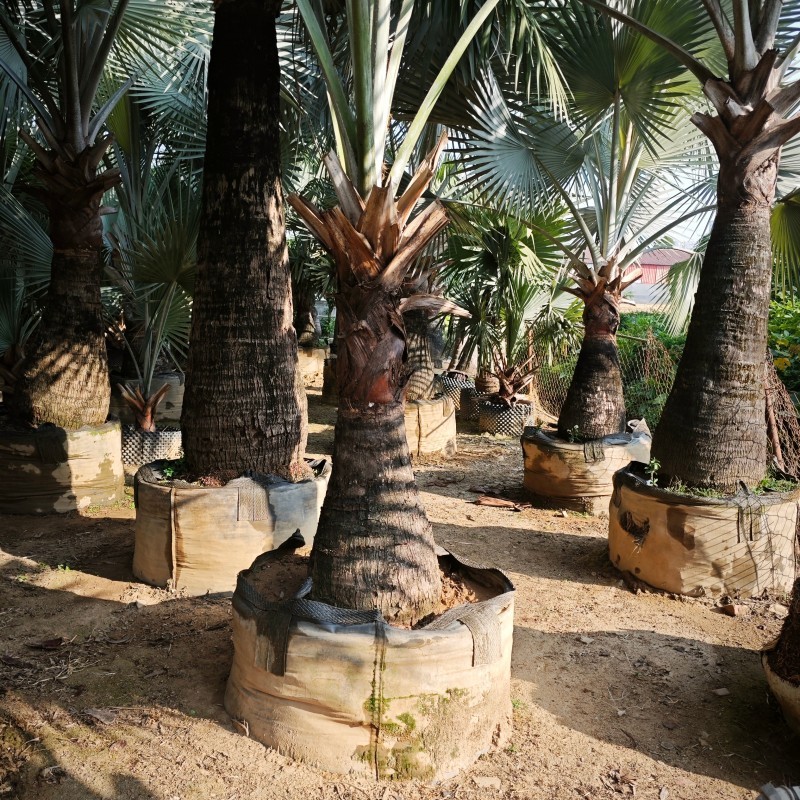
One potential problem with rigid containers is root circling. Roots may grow along the container wall instead of developing evenly throughout the growing medium.
Breathable fabric containers can help improve this situation through air pruning.
When root tips reach the breathable surface and are exposed to air, their extension is naturally limited. This encourages the development of more lateral and fibrous roots.
For commercial production, the objective should be to produce a strong, well-distributed root system rather than simply a large root ball.
4. Selecting the Right Growing Media
The growing medium has a major influence on palm tree health.
A suitable medium should provide a balance between:
Drainage + moisture retention + oxygen + structural stability
Palm species vary considerably, so the growing medium should be adapted to the specific plant and local conditions.
Common components may include:
•Coco coir
•Peat-based materials
•Compost
•Perlite
•Pine bark
•Other organic or mineral materials
The exact formulation depends on the nursery's irrigation system, climate, and available materials.
5. Water Management for Palm Trees in Grow Bags
Irrigation management becomes especially important in large containers.
Palm trees may require consistent moisture during active growth, but excessive irrigation can create problems in the root zone.
Avoid Overwatering
Too much water can reduce oxygen availability around roots.
Avoid Severe Drying
During hot weather, container-grown palms may lose moisture faster than expected.
Professional nurseries should monitor:
•Growing media moisture
•Weather conditions
•Plant size
•Irrigation frequency
•Drainage performance
For large-scale production, drip irrigation can provide more controlled water delivery.
6. Drainage and Breathability Matter
Palm trees are often grown in warm climates where irrigation requirements can be significant.
A good planter bag should allow excess water to escape while maintaining an appropriate moisture environment.
Breathable fabric also allows greater air exchange around the root zone.
This can help create conditions that support healthy root development.
When comparing different palm tree planting bags, growers should consider both water movement and air permeability instead of focusing only on price.
7. UV Resistance for Outdoor Palm Production
Palm trees are frequently grown outdoors in areas with strong sunlight.
Depending on the region, planter bags may be exposed to:
•Strong UV radiation
•High temperatures
•Rain
•Wind
•Repeated handling
For long-term production, UV resistance is therefore an important consideration.
A UV-resistant PP grow bag can help maintain fabric strength during prolonged outdoor exposure and reduce premature material degradation.
Commercial buyers should ask suppliers about:
•UV stabilization
•Material specifications
•Outdoor service life
•Fabric strength
•Relevant test reports
8. Why High-Strength Bags Are Important for Large Palms
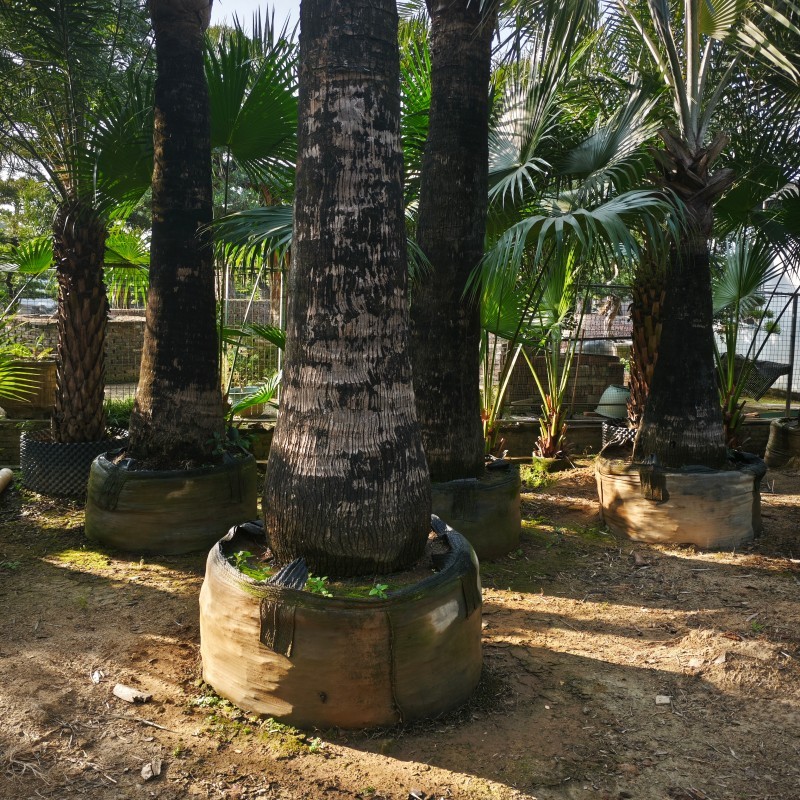
Large palm trees can become extremely heavy when the weight of the plant, growing medium, and water are combined.
Therefore, professional heavy duty grow bags should be evaluated as a complete structure.
Important factors include:
Fabric Strength
The fabric should withstand the weight of the plant and growing media.
Stitching Quality
Weak seams can become a failure point during transportation.
Reinforced Handles
Handles should be securely attached and designed for repeated handling.
Overall Construction
The bottom, side walls, seams, and handles should work together as a complete load-bearing structure.
For large palms, it is recommended to conduct practical load testing before making a large bulk purchase.
9. Common Mistakes When Growing Palm Trees in Containers
1. Choosing a Bag Only by Plant Height
Root volume and production time are equally important.
2. Using Poorly Draining Media
Excess moisture can negatively affect the root environment.
3. Ignoring UV Resistance
A bag may look strong when new but deteriorate after prolonged outdoor exposure.
4. Overwatering
More irrigation does not necessarily mean faster growth.
5. Using Weak Handles
Large palms require reliable handling during nursery operations.
6. Keeping Plants in Containers Without Root Monitoring
Root development should be checked regularly to determine whether the current container remains appropriate.
10. What Should Commercial Nurseries Consider Before Buying Grow Bags?
Before purchasing large quantities, professional nurseries should evaluate several factors.
Factor | What to Evaluate |
|---|---|
Material | PP quality and fabric strength |
UV Resistance | Suitability for outdoor cultivation |
Breathability | Root-zone airflow |
Drainage | Ability to remove excess water |
Stitching | Seam strength and consistency |
Handles | Reinforcement and load capacity |
Size | Compatibility with the production cycle |
Durability | Long-term outdoor performance |
It is always better to test samples under actual nursery conditions before committing to a large order.
11. HOKBG Large Planter Bags for Commercial Palm Production
HOKBG specializes in manufacturing PP grow bags for commercial horticulture and tree production.
Our grow bags are designed around the practical requirements of professional growers, including:
•High-strength PP fabric
•UV-resistant material
•Breathable structure
•Good drainage
•Reinforced handles
•Strong stitching
•Multiple capacity options
When selecting a grow bag, we recommend considering the palm species, climate, cultivation period, irrigation system, plant size, and handling requirements rather than selecting a bag based only on volume.
Contact HOKBG for Samples and Technical Support
If you are producing palm trees for nurseries, landscaping projects, hotels, resorts, or commercial planting, HOKBG welcomes you to contact us.
We can provide:
•Product information
•Technical specifications
•Sample evaluation
•Professional recommendations
•Technical materials for your planting projects
Free Samples Available
HOKBG can provide free grow bag samples for customers who would like to test our products before placing a bulk order.
Please note that the customer is responsible for the sample shipping/freight cost.
Testing samples in your own nursery can help you evaluate fabric strength, drainage, breathability, handling, and overall performance before making a larger purchasing decision.
Contact HOKBG today to request a sample and discuss your palm tree growing requirements with our team.
Conclusion
Growing palm trees in large planter bags can help commercial nurseries improve root management, transportation, irrigation control, and transplant preparation.
However, successful container production requires more than choosing a large bag. Growers should consider the palm species, root development, growing media, irrigation, drainage, UV resistance, fabric strength, stitching, handles, and expected production period.
A well-designed commercial nursery grow bag can become an important part of an efficient palm tree production system.