Growing Citrus in Large Planter Bags: A Commercial Nursery Guide
Growing Citrus in Large Planter Bags: A Commercial Nursery Guide
Citrus trees are widely produced by commercial nurseries for orchards, landscaping projects, garden centers, and residential planting. As citrus trees grow larger, traditional small nursery containers may no longer provide sufficient root space or convenient handling.
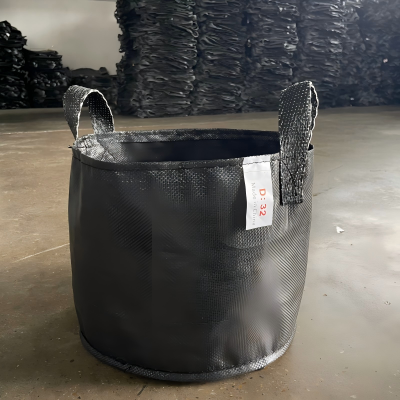
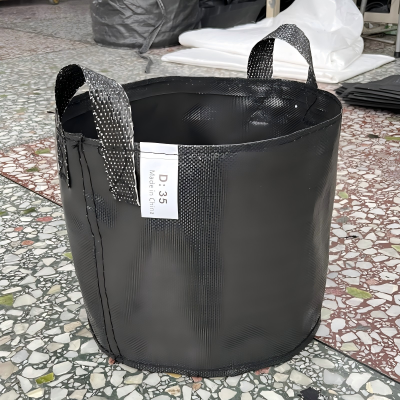
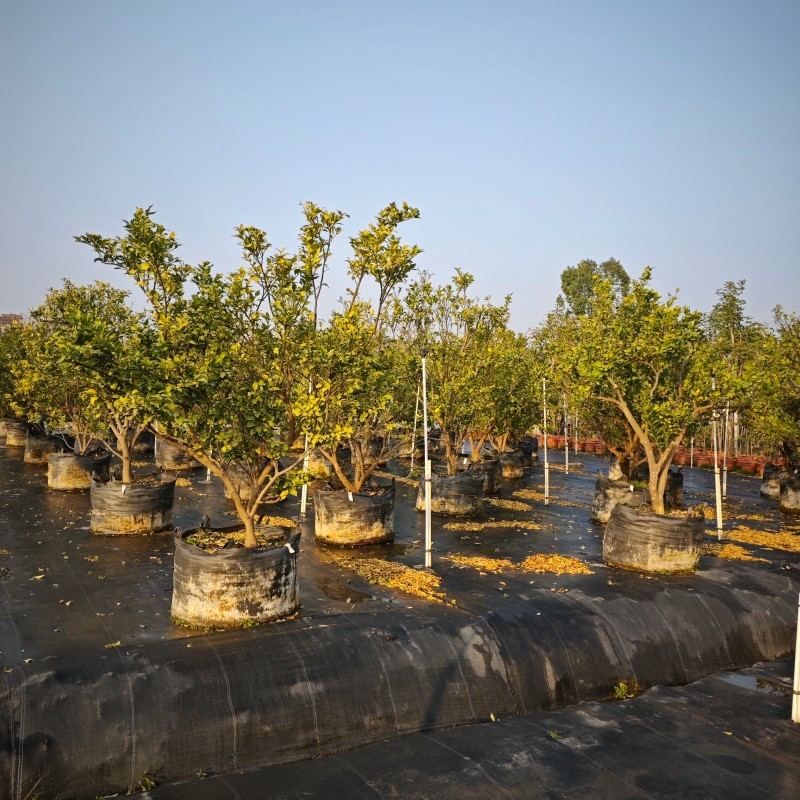
Large planter bags for citrus trees provide a flexible container solution for nurseries that need to grow, manage, move, and transport larger citrus plants before final planting.
However, choosing the right citrus grow bags requires more than simply selecting a larger container. Root space, drainage, aeration, growing media, UV resistance, fabric strength, handles, irrigation, and production time all need to be considered together.
This guide explains the key factors commercial nurseries should consider when growing citrus trees in large planter bags.
1. Why Grow Citrus Trees in Large Planter Bags?
Citrus trees can remain in containers for extended periods during nursery production.
A large planter bag can provide several practical advantages for commercial growers.
Flexible root-zone management
The container provides a defined root environment while allowing the nursery to control the growing medium and irrigation more precisely.
Easier plant movement
Large citrus trees may need to be moved between production areas, display areas, loading zones, and customer sites.
Grow bags with integrated handles can make manual movement more convenient.
Better nursery space management
Container-grown citrus trees can be rearranged according to plant size, production stage, sunlight requirements, or customer orders.
Convenient transportation
Large citrus trees can be transported in their containers and planted later at the final site.
This is particularly useful for landscape projects and customers who need established trees rather than young plants.
2. Choosing the Right Size for Citrus Trees
One of the most important decisions when selecting citrus tree grow bags is container size.
There is no single size that is suitable for every citrus tree.
The appropriate container depends on:
• Tree age
• Root development
• Citrus variety
• Expected nursery period
• Tree canopy size
• Growing medium
• Final planting requirements
A young citrus tree may not need a very large container.
As the tree develops, the nursery can move it into a larger container when additional root volume is required.
The goal is to provide enough space for healthy root development without unnecessarily increasing:
• Growing-medium consumption
• Irrigation requirements
• Transportation weight
• Handling difficulty
• Production costs
A practical principle
Choose the container according to root volume and production period, not simply tree height.
3. Why Drainage Matters for Citrus Grow Bags
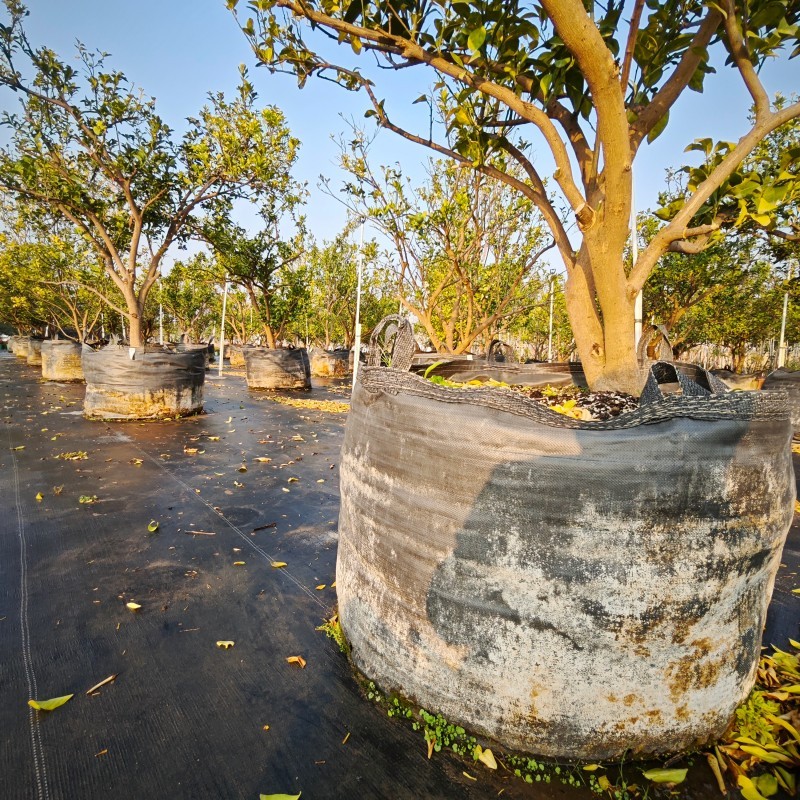
Good drainage is essential when growing citrus in containers.
Although citrus trees require regular water, prolonged waterlogging can create poor root-zone conditions and reduce oxygen availability.
This makes drainage an important consideration when selecting citrus nursery bags.
A permeable fabric grow bag allows excess water to move through the container wall, provided that the growing medium and irrigation system are properly designed.
However, good drainage does not mean the tree should be allowed to dry excessively.
Commercial nurseries should monitor:
• Growing-medium moisture
• Weather conditions
• Container size
• Tree size
• Irrigation frequency
• Rainfall
• Drainage after watering
The objective is to maintain an appropriate balance between moisture and oxygen.
4. Air Permeability and Citrus Root Development
One of the main differences between fabric grow bags and traditional rigid plastic pots is air permeability.
A breathable fabric container allows more air exchange around the root zone.
When roots reach the outer edge of a breathable container, exposure to air can encourage branching and reduce the tendency of roots to continuously circle along smooth container walls.
This process is commonly known as air pruning.
For commercial citrus production, a more evenly distributed root system can be beneficial when trees are eventually transplanted into orchards, gardens, or landscape projects.
Therefore, when comparing fabric grow bags for citrus, growers should evaluate not only the physical size of the container but also its root-zone environment.
5. Selecting the Right Growing Medium
A grow bag and its growing medium should be considered as one system.
Even a highly permeable container may perform poorly if the growing medium holds excessive water.
A suitable medium for container-grown citrus should provide an appropriate balance of:
• Drainage
• Moisture retention
• Air-filled pore space
• Structural stability
• Nutrient availability
The growing medium should also remain physically stable during transportation and repeated irrigation.
For commercial nurseries, consistency is particularly important because hundreds or thousands of trees may need to be managed under the same production system.
6. Watering Large Citrus Trees in Planter Bags
Irrigation requirements change as citrus trees become larger.
A large tree has a greater leaf area and may consume more water than a young plant.
At the same time, a larger planter bag contains more growing medium and may have different moisture-retention characteristics.
Nurseries should adjust irrigation according to:
• Tree size
• Container volume
• Weather
• Temperature
• Humidity
• Growing-medium composition
• Rainfall
• Growth stage
During hot and dry conditions, irrigation may need to be increased.
During cool or rainy periods, irrigation may need to be reduced.
Rather than following one fixed schedule throughout the year, growers should monitor the actual moisture condition of the growing medium.
7. UV Resistance Is Important for Outdoor Citrus Nurseries
Many commercial citrus nurseries keep plants outdoors for long periods.
This means the grow bag may be exposed to strong sunlight and ultraviolet radiation throughout multiple production seasons.
UV exposure can gradually affect polymer-based materials. If a grow bag is not designed for outdoor use, material aging may eventually affect its mechanical performance.
For this reason, UV resistance should be an important purchasing criterion for large planter bags used in outdoor citrus production.
This is particularly relevant to nurseries operating in:
• Hot climates
• Tropical regions
• Subtropical regions
• Desert environments
• High-sunlight areas
• Coastal regions
HOKBG grow bags are made from PP material with UV-resistant properties.
Depending on climate and actual operating conditions, the expected service life is approximately 3–8 years. In tropical areas, it is generally around 3–5 years, while outside tropical areas it can reach approximately 3–8 years.
Actual service life depends on sunlight intensity, temperature, humidity, handling, storage, and other environmental conditions.
8. Strength and Load-Bearing Capacity
Large citrus trees can become heavy when the tree, roots, growing medium, and water are combined.
Therefore, strength becomes increasingly important as container size increases.
When purchasing large planter bags for citrus trees, nurseries should evaluate:
• Fabric strength
• Stitching quality
• Seam strength
• Handle construction
• Load-bearing performance
• Resistance to repeated handling
HOKBG grow bags feature integrated handles designed to facilitate plant movement.
The single-side handle has a load-bearing capacity of up to 100 kg.
HOKBG also has a BV test report related to product strength testing, which can provide additional technical documentation for professional buyers evaluating grow bags before bulk purchasing.
9. Moving Large Citrus Trees in Grow Bags
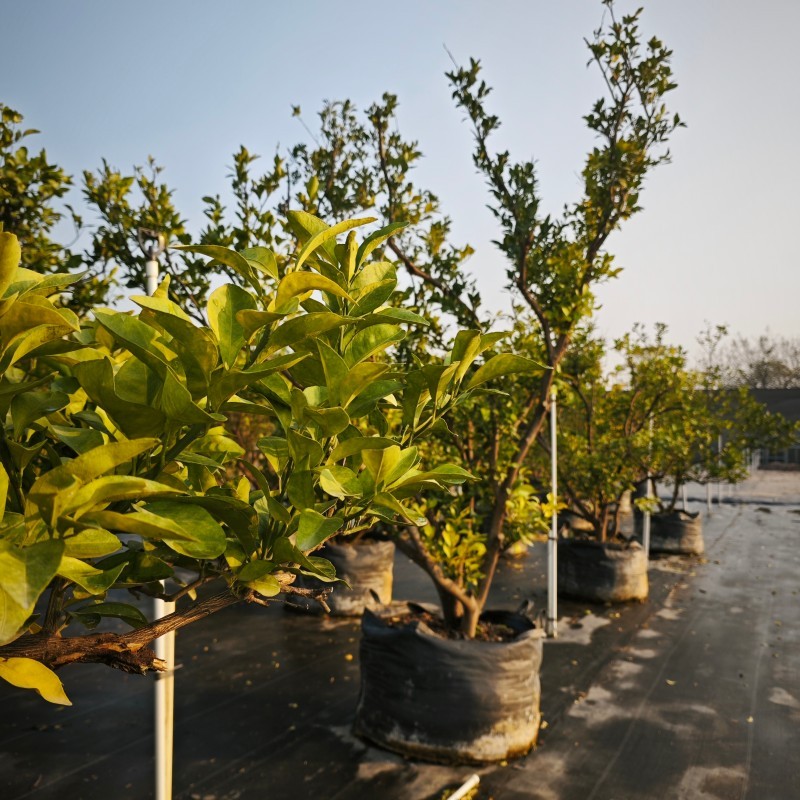
One of the biggest advantages of using large grow bags is flexibility.
Commercial citrus nurseries may need to move trees because of:
• Customer orders
• Seasonal production
• Nursery space management
• Plant grading
• Landscape projects
• Transportation
• Display requirements
Handles can make individual plant movement easier.
However, as trees become larger, the total weight can exceed practical manual handling limits.
For very large citrus trees, nurseries should use appropriate mechanical equipment such as carts, lifting equipment, or forklifts according to their production setup.
The grow bag should therefore be considered as part of the nursery's overall handling system.
10. Large Planter Bags for Different Citrus Production Stages
Citrus trees may spend different amounts of time in containers depending on the nursery's business model.
Young citrus trees
Smaller containers may be appropriate during the early production stage.
The goal is to provide enough root space without using unnecessary growing medium.
Developing citrus trees
As the root system and canopy become larger, the nursery may need to move the tree into a larger planter bag.
This allows the production cycle to continue without excessive root restriction.
Large established citrus trees
Large trees intended for landscape installation, garden centers, commercial projects, or premium plant sales may require significantly larger planter bags.
At this stage, container strength, handles, transportation, and root-zone management become increasingly important.
11. Fertilization for Container-Grown Citrus
Container-grown citrus has a restricted root environment compared with trees growing directly in the ground.
Nutrient management should therefore be monitored carefully.
Commercial growers should consider:
• Tree growth stage
• Growing-medium nutrient levels
• Container volume
• Fertilizer type
• Irrigation frequency
• Seasonal growth
• Citrus variety
Over-fertilization can increase soluble salt concentrations in the growing medium, while insufficient nutrition can limit plant growth.
A consistent fertilization program can help nurseries maintain more uniform plant quality across large production batches.
12. Root Management Before Transplanting
A citrus tree may eventually leave the nursery and be planted into:
• Orchards
• Private gardens
• Public landscapes
• Hotels
• Commercial developments
• Roadside landscaping
• Large garden projects
The root system developed during the container production stage can influence how easily the tree adapts to its new environment.
For this reason, nurseries should pay attention to:
• Root distribution
• Root density
• Root health
• Root restriction
• Growing-medium condition
• Container size
A suitable grow bag should provide a supportive root environment throughout the nursery cycle while allowing the tree to be safely removed or transplanted when required.
13. Grow Bags vs. Plastic Pots for Citrus Trees
When comparing commercial citrus nursery containers, both fabric grow bags and plastic pots have different characteristics.
Factor | HOKBG Fabric Grow Bags | Plastic Pots |
|---|---|---|
Air permeability | Generally high | Relatively limited |
Drainage | Through permeable fabric | Mainly through drainage holes |
Root environment | Can support air pruning | Roots may follow smooth container walls |
Plant movement | Handles can facilitate handling | Depends on container design |
Outdoor durability | 3-10 years (depending on outdoor UV intensity) | Depends on plastic formulation |
Empty storage | Can be folded | Rigid structure |
Large-tree handling | Handles can be useful | Depends on pot design |
Long-term nursery use | Suitable when properly specified | Widely used |
The best option depends on the nursery's production system, climate, tree size, irrigation method, handling equipment, and production period.
14. Common Mistakes When Choosing Citrus Grow Bags
Mistake 1: Choosing the largest possible bag
A bigger container is not automatically better.
Excessive container volume can increase growing-medium consumption, transportation weight, and irrigation requirements.
Mistake 2: Ignoring UV resistance
Outdoor citrus trees may remain in the same container for multiple seasons.
UV resistance should therefore be included in the purchasing criteria.
Mistake 3: Focusing only on fabric thickness
Thicker fabric does not automatically mean a better product.
Stitching, seam construction, material quality, UV resistance, and handle strength should also be evaluated.
Mistake 4: Ignoring the growing medium
The grow bag and growing medium must work together.
A breathable bag cannot compensate for a poorly draining growing medium.
Mistake 5: Using the same irrigation schedule year-round
Citrus water requirements change with temperature, rainfall, plant size, and season.
Irrigation should be adjusted accordingly.
15. HOKBG Grow Bags for Commercial Citrus Nurseries
HOKBG specializes in high-strength grow bags for professional horticultural production.
Our PP grow bags are designed with:
• UV-resistant properties
• High-strength fabric
• Good water permeability
• Good air permeability
• Strong load-bearing performance
• Integrated handles
• Long outdoor service life
These characteristics make HOKBG grow bags suitable for nurseries producing citrus trees and other large ornamental or landscape plants.
For professional buyers who want to evaluate the product before placing a bulk order, HOKBG can provide relevant technical materials and product information.
16. What Should Citrus Nurseries Check Before Bulk Purchasing?
Before ordering large quantities of grow bags, commercial nurseries should evaluate:
1. Material
Is the PP fabric suitable for the intended production environment?
2. UV resistance
Can the grow bag withstand the expected outdoor exposure?
3. Drainage and breathability
Does the fabric provide suitable water and air permeability?
4. Strength
Can the bag support the expected weight of the tree, growing medium, and water?
5. Stitching and handles
Are the seams and handles strong enough for repeated handling?
6. Size
Does the container match the tree's root development and production period?
7. Technical documentation
Can the supplier provide product specifications and relevant testing information?
8. Samples
Can the nursery test the product before committing to a large order?
Testing samples under actual nursery conditions can help buyers make a more informed decision before bulk purchasing.
17. Conclusion: Choosing the Right Large Planter Bag for Citrus Trees
Growing citrus trees in large planter bags can provide commercial nurseries with a flexible system for root management, plant movement, production planning, and transportation.
However, the best citrus grow bags should not be selected based on size or price alone.
Nurseries should evaluate:
• Root space
• Drainage
• Air permeability
• Growing-medium compatibility
• UV resistance
• Fabric strength
• Stitching
• Handle strength
• Production period
• Transportation and handling requirements
The right container is one that matches the citrus tree's root development, climate, production cycle, irrigation system, and logistics requirements.