Growing Buddhist Pine in Planter Bags: A Complete Commercial Guide
Growing Buddhist Pine in Planter Bags: A Complete Commercial Guide
Buddhist pine, also known as Podocarpus, is a highly valued ornamental tree widely used in landscape design, gardens, bonsai production, and urban greening projects.
Because of its elegant appearance, evergreen foliage, and strong adaptability, Buddhist pine has become an important plant variety for many professional nurseries.
For commercial growers, producing high-quality Buddhist pine requires careful attention to root development, container selection, irrigation management, and long-term cultivation methods.
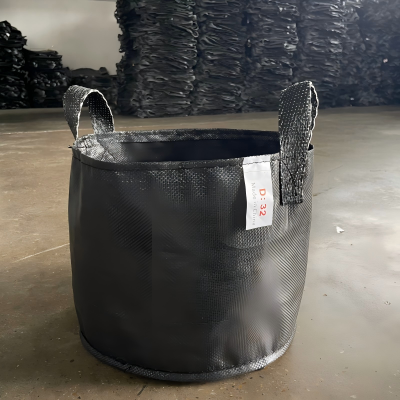
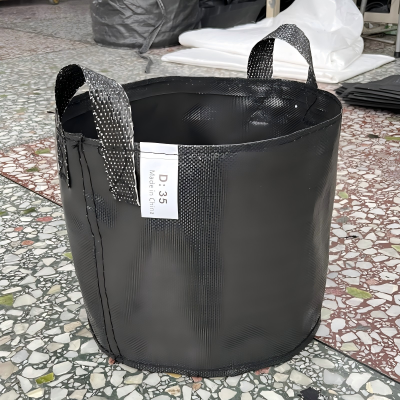
In recent years, more nurseries have started using Buddhist pine planter bags as an effective solution for producing healthier trees with stronger root systems.
1. Why Grow Buddhist Pine in Planter Bags?
Traditional ground cultivation and rigid plastic containers can create several challenges for professional nurseries.
One common problem is root circling.
When roots reach the container wall, they continue growing along the edge, creating tangled root systems.
This may result in:
•Reduced nutrient absorption
•Poor root structure
•Difficult transplanting
•Slow recovery after planting
Professional breathable grow bags help solve this problem through air pruning.
When roots reach the breathable fabric surface, they naturally stop extending and develop more fine feeder roots.
This creates a healthier root system that supports better plant growth.
2. Benefits of Using Grow Bags for Buddhist Pine Production
Better Root Development
Healthy roots are essential for evergreen trees such as Buddhist pine.
Breathable grow bags improve root-zone conditions by allowing:
•Better oxygen circulation
•More balanced moisture levels
•Improved root branching
A stronger root system helps plants establish faster after transplantation.
Easier Transportation and Handling
Commercial nurseries often need to move Buddhist pine trees between:
•Production areas
•Garden centers
•Landscape projects
•Customer locations
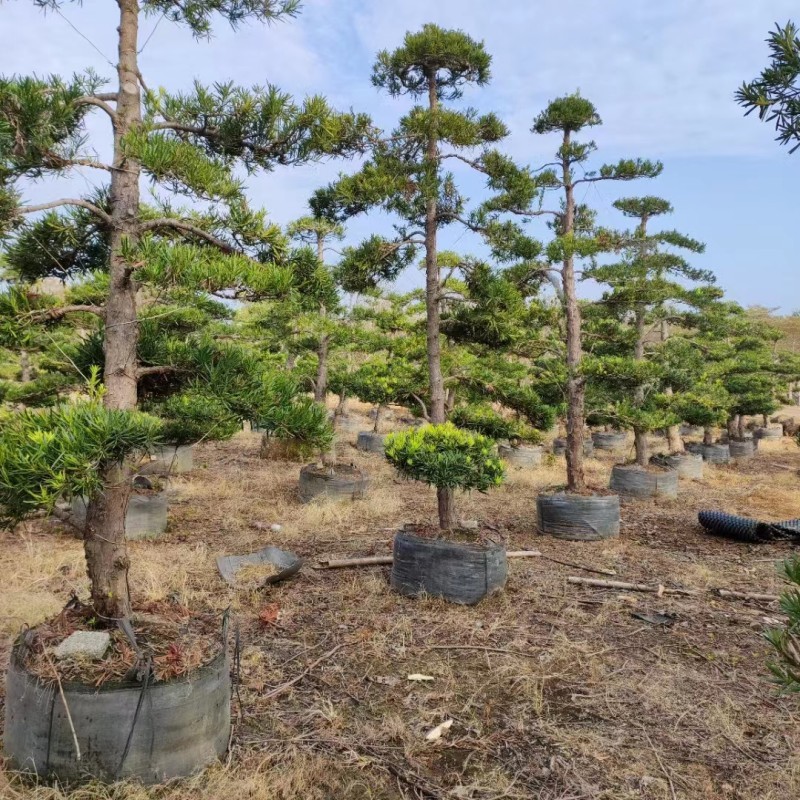
Compared with field-grown trees, container-grown plants are easier to transport while keeping the root system protected.
This reduces:
•Transplant stress
•Labor requirements
•Plant losses
3. Choosing the Right Planter Bag Size for Buddhist Pine
The correct planter bag size depends on:
Tree Age
Young plants need less root space, while mature trees require larger growing volumes.
Production Time
Trees that remain in containers for longer periods need enough space for continuous root development.
Final Application
Buddhist pine may be produced for:
•Landscape planting
•Garden decoration
•Bonsai cultivation
•Commercial tree sales
The container should match the expected growth period and final plant size.
Choosing a bag that is too small can restrict root development, while an oversized container may increase growing media costs and water management requirements.
4. Growing Media Requirements for Buddhist Pine
A suitable growing medium is essential for healthy Buddhist pine production.
An ideal medium should provide:
Good Drainage
Buddhist pine prefers a well-drained environment. Excess water around roots may affect plant health.
Good Air Space
Roots require oxygen for continuous growth.
Stable Nutrient Supply
The medium should provide enough nutrients while maintaining proper moisture balance.
Many professional growers use combinations of:
•Organic materials
•Coco coir
•Peat-based materials
•Perlite
•Bark products
The best formula depends on local climate and cultivation practices.
5. Water Management When Using Planter Bags
Compared with traditional containers, breathable grow bags provide better drainage and airflow, but irrigation management is still important.
Common mistakes include:
Overwatering
Too much water can reduce oxygen availability around roots.
Underwatering
In hot climates, grow bags may dry faster than traditional containers.
Professional practices include:
•Monitoring moisture levels regularly
•Adjusting irrigation according to weather conditions
•Using drip irrigation systems for large-scale production
6. Air Pruning and Root Quality Improvement
One of the biggest advantages of breathable planter bags is air pruning.
In traditional pots, roots often become circular and crowded.
Air pruning encourages:
•More fibrous roots
•Better root distribution
•Stronger transplant performance
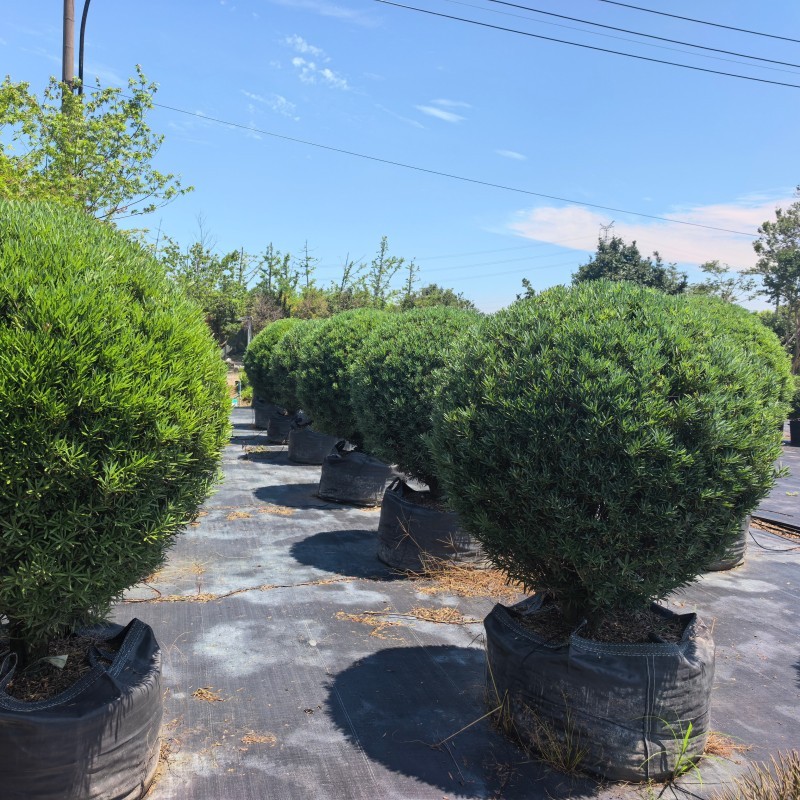
For Buddhist pine, which is often transplanted into landscapes or sold as ornamental trees, a healthy root system is especially valuable.
This is why many professional growers choose root pruning containers for commercial production.
7. Important Features of Commercial Buddhist Pine Planter Bags
When selecting professional planter bags, nurseries should consider:
Fabric Strength
The material should withstand long-term outdoor use and repeated handling.
UV Resistance
Outdoor plants are exposed to sunlight for months or years. UV-resistant materials help extend service life.
Stitching Quality
Strong seams prevent damage when plants become heavier.
Handle Design
Reliable handles make transportation easier for larger trees.
Breathability
Good airflow supports healthier root development.
8. Why Choose HOKBG Planter Bags?
HOKBG specializes in manufacturing professional PP grow bags for commercial horticulture.
Our planter bags are designed for:
•Tree nurseries
•Landscape companies
•Ornamental plant growers
•Large-scale plant production
Key advantages include:
High-Strength PP Fabric
Provides durability and reliable support.
Breathable Structure
Improves root development through better airflow.
UV Resistant Material
Suitable for long-term outdoor cultivation.
Strong Handle Design
Supports easier movement of plants.
Professional Custom Solutions
Different cultivation projects can receive suitable recommendations.
Contact HOKBG for Professional Planter Bag Solutions
If you are producing Buddhist pine, ornamental trees, or landscape plants and looking for reliable commercial nursery grow bags, HOKBG welcomes you to contact us.
We can provide:
Product information
Technical specifications
Sample support
Professional recommendations based on your plant varieties and growing environment
Conclusion
Growing Buddhist pine in planter bags provides commercial nurseries with better control over root development, easier transportation, and improved transplant success.
By combining breathable materials, proper irrigation, suitable growing media, and professional cultivation methods, growers can produce healthier and higher-quality Buddhist pine trees.
For modern nurseries, planter bags are becoming an effective solution for efficient and sustainable ornamental tree production.