

Grow Bags vs Plastic Pots: Which Is Better for Plant Growth?
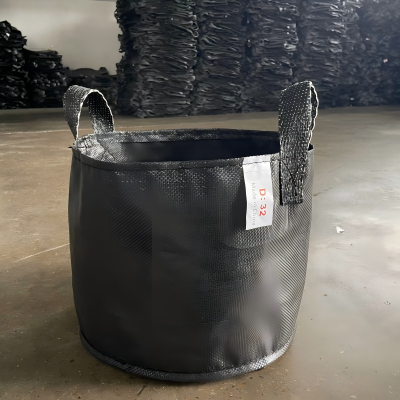
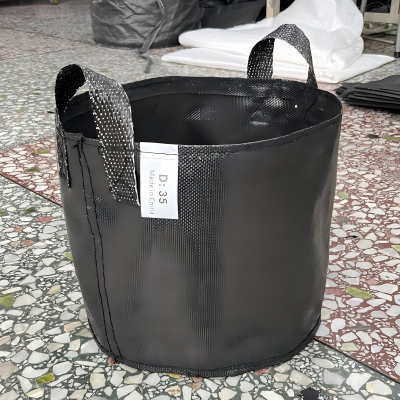
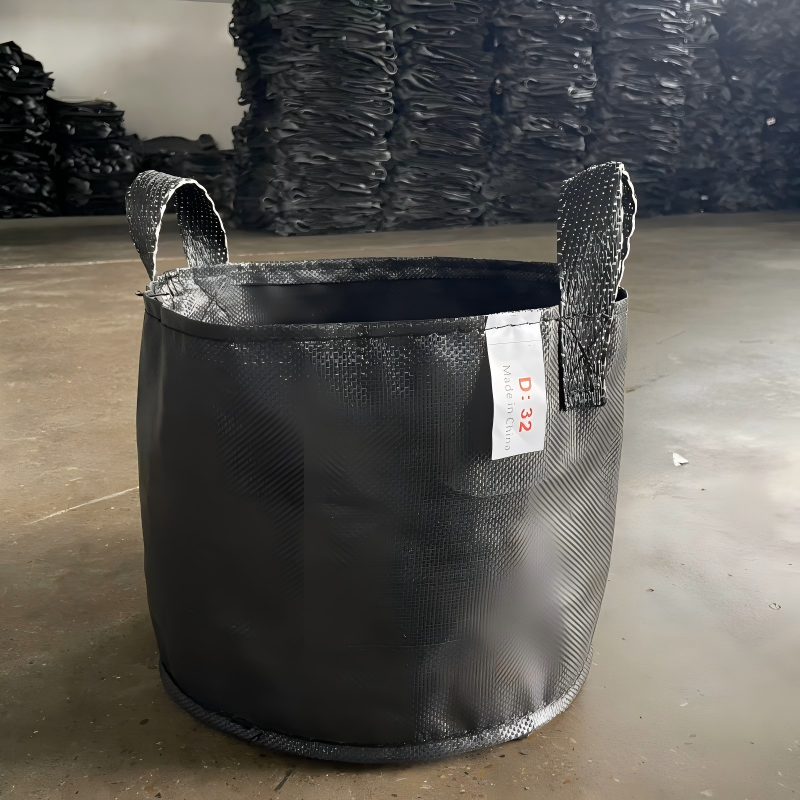
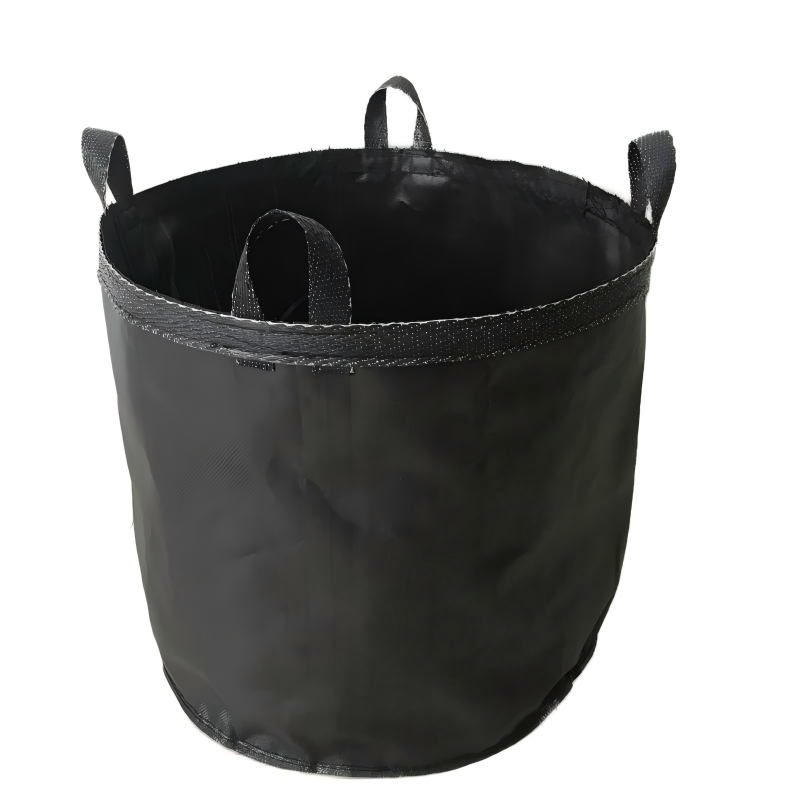
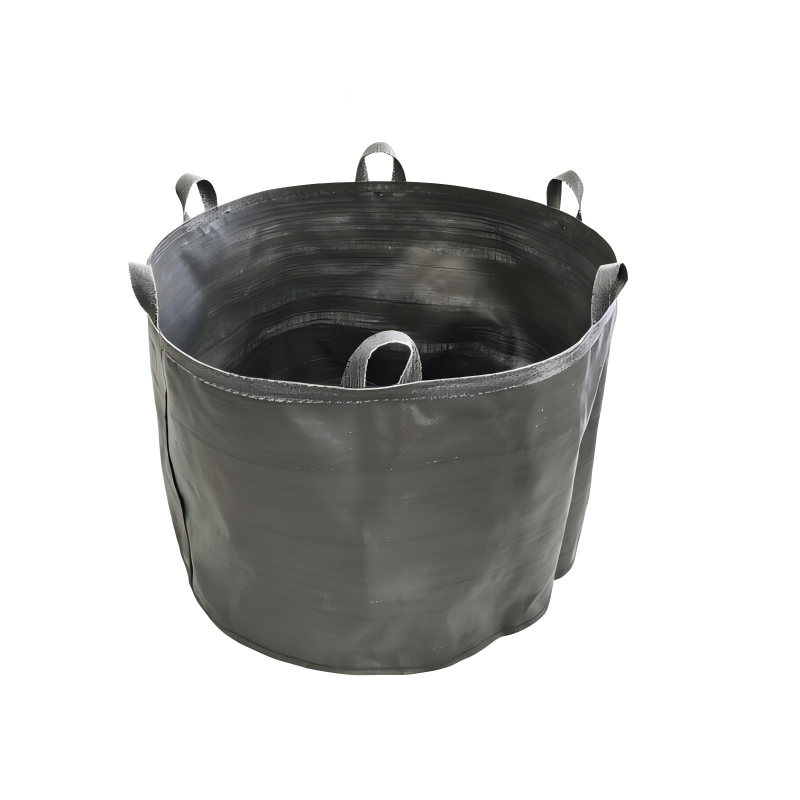
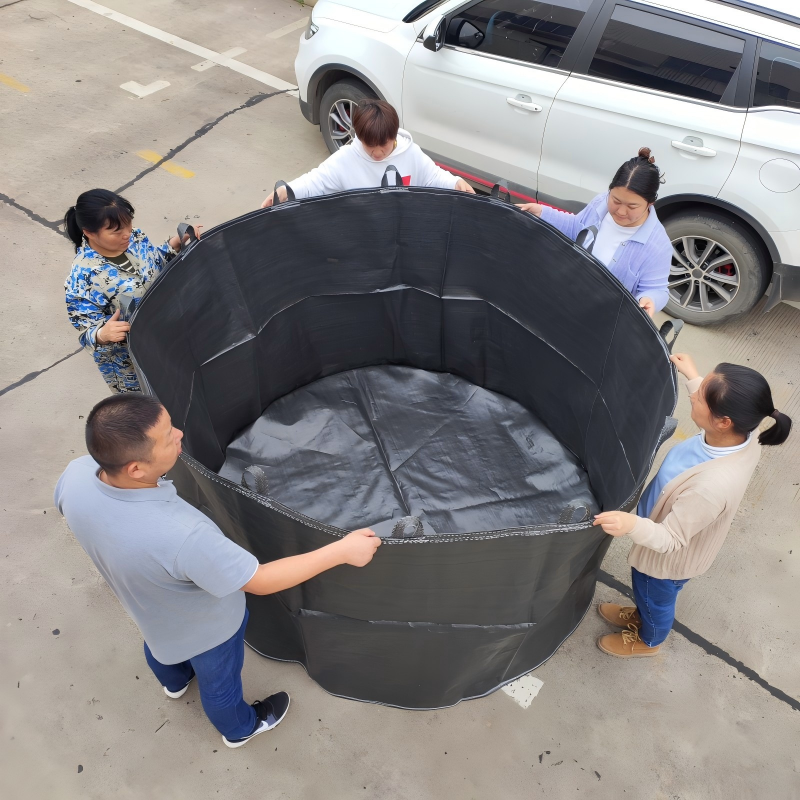
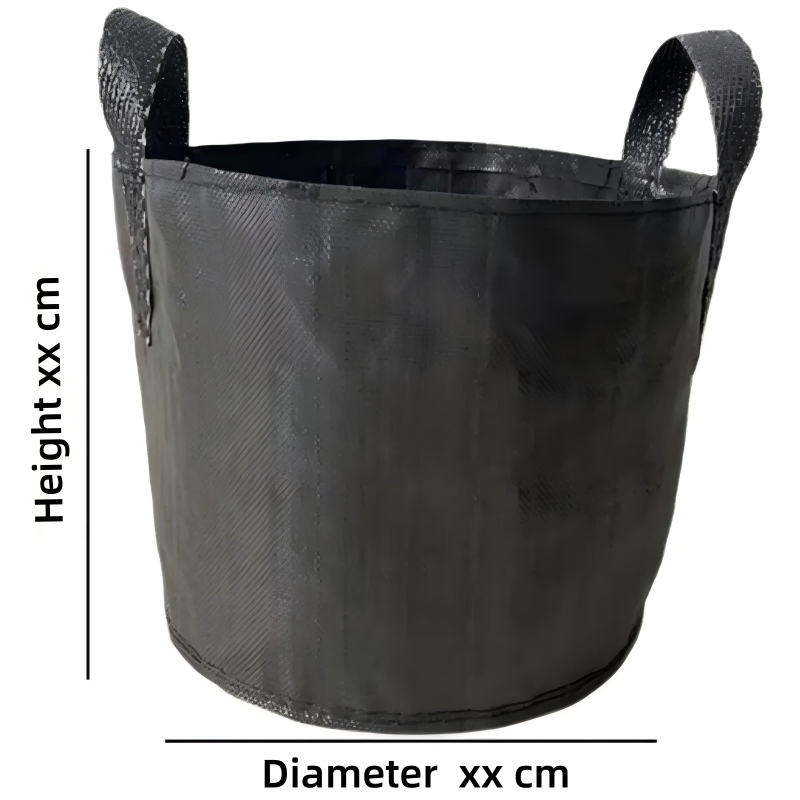
Choosing the right growing container is an important decision for gardeners, commercial nurseries, and professional plant growers. The container you use can influence root development, water management, plant health, transportation, and even the overall efficiency of your growing operation. When comparing grow bags vs plastic pots, both options have their own advantages. Plastic pots have been widely used in traditional nurseries for decades, while grow bags are becoming increasingly popular among professional growers and landscaping businesses. But which one is better for your plants? Are grow bags more beneficial for root development? Do plastic pots offer better durability? And which option makes more sense for commercial tree nurseries? Grow Bags Grow bags are flexible plant containers made from breathable materials such as woven polypropylene (PP) or non-woven fabric. They allow air and water to pass through their sides, helping create a suitable growing environment for plant roots. High-quality PP woven grow bags typically feature: Breathable and water-permeable fabric. UV-stabilized materials for outdoor applications. Flexible construction for different root ball sizes. Reinforced handles for easier transportation. They are widely used for growing fruit trees, landscape trees, palms, shrubs, and other nursery plants. Plastic Pots Plastic pots are rigid containers manufactured from materials such as polypropylene (PP) or polyethylene (PE). They usually have drainage holes at the bottom to release excess water. Their main characteristics include: Rigid walls that maintain their shape. Good moisture retention. Easy stacking and handling. Availability in various sizes and shapes. Plastic pots are commonly used in home gardening, greenhouses, and commercial nurseries. The biggest difference is how these containers interact with plant roots and moisture. Healthy root development is essential for producing strong, high-quality plants. One major advantage of breathable grow bags is a process called air pruning. When roots reach the breathable walls of a grow bag, the exposed root tips encounter air and naturally stop extending. This encourages the development of additional lateral roots, resulting in a more fibrous root system. Benefits include: Reduced root circling. More branched root development. Better distribution of roots within the growing medium. Improved root structure for transplanting. In contrast, roots growing inside conventional plastic pots may continue following the smooth container walls, sometimes developing circular or tangled root patterns. For commercial tree nurseries, where plants may remain in containers for extended periods, root development is an important consideration. Winner: Grow bags, particularly for growers who prioritize air pruning and fibrous root development. Water management directly affects root health. Grow bags allow air and water to pass through their breathable fabric. Excess water can escape through multiple surfaces, while air circulation around the root zone supports healthy growing conditions. Plastic pots generally release excess water through drainage holes at the bottom. Although properly designed plastic pots can provide effective drainage, their solid walls limit air exchange through the sides. However, grow bags generally lose moisture faster than plastic pots. In hot or windy environments, they may require more frequent irrigation. For commercial growers, drip irrigation and appropriate watering schedules can help maintain consistent soil moisture. Winner: Grow bags for side aeration and drainage, while plastic pots may be more suitable when longer moisture retention is required. Durability depends on the quality of the materials and manufacturing process. For grow bags, several factors are particularly important: UV resistance: UV-stabilized PP fabric helps withstand prolonged outdoor sunlight exposure. Fabric strength: Strong woven material supports the weight of soil and growing plants. Stitching quality: Reinforced seams help maintain structural integrity. Handle construction: Strong handles make lifting and moving plants easier. Plastic pots can also provide long service life when manufactured with suitable materials and UV protection. However, prolonged sunlight exposure may cause some plastics to become brittle or crack. For both options, actual service life depends on product specifications, climate, and handling conditions. For outdoor commercial nurseries, choosing UV-resistant materials is especially important. Grow bags offer practical advantages in nursery operations. Their flexible construction makes empty bags lightweight and easy to fold, reducing storage space requirements. Many commercial grow bags also feature reinforced handles, making it easier for nursery workers to move plants around the growing area. For larger trees, suitable lifting equipment and additional bottom support may be necessary. Plastic pots maintain their rigid shape, which can be useful for stacking and supporting plants. However, large rigid containers may require more storage and transportation space. Grow bags are available in different capacities to accommodate plants at various growth stages, from young seedlings to mature landscape trees. 7. Which is more cost-effective ? When comparing grow bags vs plastic pots, the initial purchase price is only one part of the total cost. Commercial growers should also consider: Storage and transportation expenses. Irrigation requirements. Labor for plant handling. Container reuse and replacement. Plant quality and production efficiency. Plastic pots may offer competitive initial pricing, particularly for standard sizes. Grow bags can provide additional value through their breathable construction, flexible storage, and convenient handling. For large-scale tree production, customized grow bags can also accommodate different root ball dimensions and growing requirements. The best choice depends on your production goals and overall operating costs. Grow bags are particularly suitable for the following applications: Commercial Tree Nurseries Breathable grow bags support root development and are suitable for growing fruit trees, ornamental trees, palms, bamboo, and landscape plants. Outdoor Plant Production UV-stabilized PP woven grow bags are designed for outdoor applications where sunlight exposure and material strength are important. Large Tree Growing and Landscaping Projects Large-capacity grow bags with reinforced handles can support nursery handling and transportation requirements. Wholesale Nurseries and Plant Exporters Consistent container specifications help standardize plant production and simplify nursery operations. HOKBG is a professional manufacturer of high-strength, UV-stabilized PP woven grow bags for commercial nurseries, tree growers, and landscaping businesses. Our products are designed to support plant growth while meeting the practical requirements of outdoor plant production. Key Advantages: High-strength PP woven fabric: Designed to withstand the weight of growing medium and plants. UV-stabilized material: Suitable for extended outdoor applications. Breathable and water-permeable construction: Supports root aeration, air pruning, and effective drainage. Reinforced handles: Designed for practical lifting and nursery handling. Wide capacity range: From 20L to 6,000L for different plant sizes. Customized manufacturing: Available in different diameters, heights, and specifications. With more than 16 years of experience in our own black PP material formulation, HOKBG focuses on manufacturing reliable grow bags that are beneficial for plant growth and beneficial for plant sales. Both grow bags and plastic pots have their place in modern horticulture. Plastic pots are a practical choice when rigid structure and moisture retention are priorities. However, breathable grow bags offer important advantages in root development, aeration, drainage, flexible storage, and commercial tree production. For professional nurseries, landscape contractors, and tree growers, high-strength UV-stabilized PP woven grow bags are an excellent option to consider. Looking for reliable grow bags for your nursery business? HOKBG offers customized PP woven grow bags from 20L to 6,000L. Contact us today to discuss your requirements and find the right growing solution for your plants. HOKBG – Stronger Bags, Healthier Roots, Better Plant Sales!Introduction
1. What Are Grow Bags and Plastic Pots ?
2. Grow Bags vs Plastic Pots: Key Differences
Features Grow Bags Plastic Pots Root development Supports air pruning Roots may circle along container walls Air circulation Breathable sides Limited side aeration Water drainage Permeable sides and bottom Mainly through bottom holes Moisture retention Generally dries faster Generally retains more moisture Flexibility Flexible and foldable Rigid structure Storage Easy to fold and store Requires stacking Handling Reinforced handles available Usually lifted by the rim or base Outdoor durability Depends on fabric quality and UV protection Depends on plastic formulation and UV protection 3. Root Development: Grow Bags Have an Advantage
4. Drainage and Aeration
5. Durability: Which Is Better for Outdoor Use ?
6. Handling, Transportation and Storage
8. When Should You Choose Grow Bags ?
9. Why Choose HOKBG PP Woven Grow Bags ?
Conclusion: Grow Bags or Plastic Pots ?