Grow Bags vs Plastic Pots: Which Container Is Better for Plant Growth?
Grow Bags vs Plastic Pots: Which Container Is Better for Plant Growth?
Choosing the right planting container is one of the most important decisions for gardeners, commercial nurseries, and tree growers. While both fabric grow bags and traditional plastic pots can successfully grow plants, they create very different environments for root development.
The container affects not only plant growth but also watering frequency, root health, transplant success, and long-term maintenance costs.
So, which container is better?
The answer depends on your growing goals, plant type, and production system.
This guide compares grow bags vs plastic pots to help you make an informed decision.
1. Material Differences
Plastic pots are manufactured from rigid plastic materials that completely surround the root system.
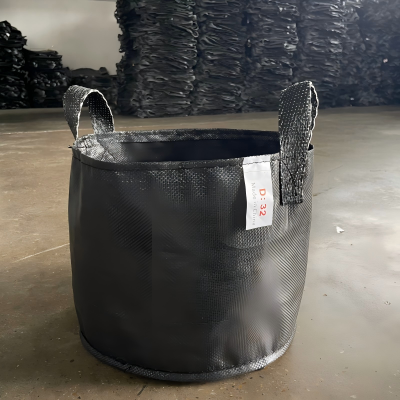
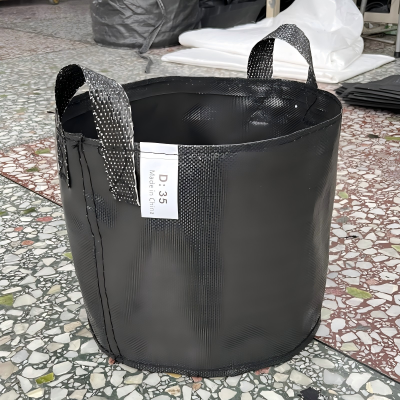
Grow bags are typically made from breathable woven or non-woven fabric. At HOKBG, our grow bags are manufactured from high-strength woven PP fabric with UV-resistant treatment, designed for long-term outdoor use in commercial nurseries and landscaping projects.
Because of these material differences, the growing environment inside each container is very different.
2. Root Development
One of the biggest differences between plastic pots and grow bags is root growth.
Plastic Pots
Roots continue growing until they reach the container wall. Unable to grow further, they begin circling around the inside of the pot.
This root circling can eventually lead to:·
•Poor nutrient absorption
•Weak root structure
•Slower transplant recovery
•Reduced long-term stability·
Grow Bags
Breathable fabric allows root tips to contact air.
This natural process, known as air pruning, stops the root tip from extending and encourages the development of many new lateral roots.
As a result, root pruning containers produce:
•Denser root systems
•Better nutrient absorption
•Stronger plants
•Higher transplant survival rates
3. Drainage and Aeration
Healthy roots require both water and oxygen.
Plastic Pots
Although drainage holes are provided, water can still accumulate at the bottom if irrigation is excessive.
This may increase the risk of:
•Waterlogging
•Root rot
•Poor oxygen availability
Fabric Grow Bags
Breathable fabric allows excess water to drain naturally while fresh air continuously reaches the root zone.
This balance between moisture and oxygen creates healthier growing conditions.
For this reason, one of the greatest fabric pots benefits is improved root-zone aeration.
4. Temperature Control
Container temperature has a direct impact on root health.
Plastic Pots
Plastic absorbs and retains heat.
During hot summer weather, root temperatures can rise significantly, especially when containers are exposed to direct sunlight.
Grow Bags
Fabric allows better airflow around the container, helping dissipate excess heat.
Although grow bags can dry faster than plastic pots, improved ventilation generally creates a more stable root environment.
5. Weight and Transportation
For commercial nurseries, transportation efficiency is extremely important.
Plastic Pots
Advantages:
•Rigid structure
•Easy stacking when empty
Disadvantages:
•Can crack during handling
•Bulky for shipping
•Fixed shape occupies more storage space
Grow Bags
Advantages:
•Lightweight
•Foldable
•Lower transportation costs
•Easy storage
•Strong reinforced handles available
For large tree production, these advantages significantly reduce labor and logistics costs.
6. Durability
Many people believe plastic pots always last longer.
However, durability depends on material quality.
Low-quality plastic pots may become brittle after prolonged UV exposure.
Professional UV resistant grow bags, manufactured with high-quality PP fabric and UV stabilizers, can provide several years of outdoor service depending on climate conditions.
For commercial nurseries, selecting products designed for long-term outdoor use is more important than choosing a specific material.
7. Which Plants Are Best for Each Container?
Plastic Pots
Recommended for:
•Indoor plants
•Decorative flowers
•Small home gardens
•Short-term cultivation
Grow Bags
Recommended for:
•Fruit trees
•Landscape trees
•Shrubs
•Commercial nursery production
•Tree farms
•Long-term outdoor cultivation
Professional growers generally choose grow bags when healthy root development and efficient transportation are priorities.
8. Why Professional Nurseries Choose HOKBG Grow Bags
At HOKBG, we manufacture high-strength PP grow bags specifically for commercial horticulture.
Our products feature:
•Excellent air permeability
•Efficient drainage
•UV-resistant woven PP fabric
•Reinforced stitching
•Heavy-duty handles
•Sizes from 5 Gallon to 1250 Gallon
This complete size range allows growers to select the right container for everything from ornamental plants to large landscape trees.
Comparison Table
Feature | Plastic Pots | HOKBG Grow Bags |
|---|---|---|
Root Development | Root circling may occur | Air pruning promotes fibrous roots |
Drainage | Moderate | Excellent |
Aeration | Limited | Excellent |
Temperature Control | Higher heat retention | Better ventilation |
Transportation | Bulky | Foldable and lightweight |
Root Health | Moderate | Excellent |
Commercial Nursery Use | Limited | Ideal |
Conclusion
Both plastic pots and grow bags have their place in horticulture.
Plastic pots remain a practical choice for home gardening and decorative plants.
However, for commercial nurseries, tree farms, landscaping projects, and long-term cultivation, breathable grow bags provide significant advantages through better aeration, natural air pruning, improved drainage, and easier transportation.
Choosing the right container means choosing the right growing environment for your plants.