Are Grow Bags Eco-Friendly? Reuse, Recycling & Sustainable Nurseries
Are Grow Bags Eco-Friendly? Reuse, Recycling & Sustainable Nurseries
As environmental awareness continues to grow, commercial nurseries and professional growers are paying more attention to the sustainability of the containers they use.
Plastic pots, traditional nursery bags, fabric containers, and other planting systems all require materials and resources to manufacture. Therefore, an important question for growers is:
Are grow bags actually eco-friendly?
The answer is not simply yes or no.
The environmental impact of a grow bag depends on several important factors:
• What material is used?
• How long does the bag last?
• Can it be reused?
• Can the material be recycled?
• How efficiently is it used during its service life?
• How much waste does it generate?
For commercial nurseries, sustainability is not only about choosing a product labeled as "green." It is about reducing unnecessary waste and improving the efficiency of the entire production process.

1. What Makes a Grow Bag More Sustainable?
A grow bag should not be considered environmentally friendly simply because it is made from fabric.
The real environmental impact should be evaluated across its entire life cycle.
A more sustainable planting container generally has several characteristics:
• Long service life
• Reusability
• Durable construction
• Reduced replacement frequency
• Efficient use of materials
• Potential for recycling
The longer a container remains useful, the fewer replacement products may be required over time.
For this reason, durability can be an important part of sustainability.
A low-cost grow bag that fails quickly may need to be replaced frequently, creating more waste than a stronger product designed for repeated use.
2. Reuse Is One of the Most Important Sustainability Factors
One of the biggest advantages of durable reusable grow bags is the potential to use them for multiple growing cycles.
For commercial nurseries, repeated use can help reduce:
• Container purchasing frequency
• Material consumption
• Nursery waste
• Replacement costs
However, reusability depends heavily on product quality and how the bags are handled.
A grow bag intended for repeated use should have:
• Strong fabric
• Durable stitching
• Reliable handles
• Good resistance to outdoor conditions
Before reusing a bag, growers should inspect it for damage.
Important areas to check include:
• Side walls
• Bottom structure
• Seams
• Handles
• Areas exposed to repeated lifting
3. How Long Service Life Can Reduce Waste
When evaluating sustainability, it is important to consider the total number of products required over a period of several years.
For example, if a container fails after one growing cycle, a nursery may need to purchase and dispose of replacement containers regularly.
A longer-lasting grow bag can potentially reduce the number of containers consumed during the same production period.
This creates an important principle:
Durability and sustainability are closely connected.
For commercial growers, choosing a stronger product may help reduce unnecessary replacement and waste generation.
Of course, actual service life depends on factors such as:
• UV exposure
• Climate
• Frequency of handling
• Plant weight
• Growing conditions
• Storage practices
4. Can PP Grow Bags Be Recycled?
Many professional grow bags are manufactured using polypropylene (PP).
Polypropylene is a widely used thermoplastic material that can potentially enter recycling streams where suitable collection and recycling facilities are available.
However, recycling possibilities depend on local infrastructure.
Before recycling used grow bags, growers should consider:
• Local recycling regulations
• Available PP recycling facilities
• Material cleanliness
• Whether the bags contain soil or plant residue
Cleaning and separating materials can improve the possibility of recycling.
Commercial nurseries with large volumes of used containers may also consider working with local recycling companies to develop collection programs.
It is important to understand that recyclable does not always mean automatically recycled.
The actual environmental benefit depends on whether suitable recycling systems are available and whether the used material enters those systems.
5. How Can Nurseries Reuse Grow Bags?
Proper reuse begins with inspection and cleaning.
After a production cycle, growers can follow a simple process.
Step 1: Empty the Used Growing Media
Remove soil, roots, and plant residues.
Step 2: Inspect the Bag
Check for:
• Torn fabric
• Damaged seams
• Weak handles
• Excessive material degradation
Step 3: Clean the Bag
Remove remaining growing media and other residues.
Step 4: Allow Proper Drying
Make sure the bag is sufficiently dry before storage.
Step 5: Store Correctly
Keep reusable grow bags in a suitable storage environment and avoid unnecessary exposure to damaging conditions when not in use.
Proper maintenance can help maximize the usable life of planting containers.
6. Sustainable Nurseries Should Look Beyond the Container Material
Sustainability is not determined only by whether a product is recyclable.
Commercial nurseries can reduce their environmental impact through better production management.
For example:
Choose the Right Container Size
Using an unnecessarily large container may require more:
• Material
• Growing media
• Water
• Fertilizer
• Transportation space
Selecting an appropriate size can improve resource efficiency.
Reduce Unnecessary Replacement
Buying durable containers may reduce replacement frequency.
Improve Irrigation Efficiency
A well-managed irrigation system can reduce water waste.
Plan Transportation Efficiently
Optimized packaging and container loading can reduce unnecessary transportation volume.
Reuse Containers When Appropriate
Extending the useful life of a product is often an important part of reducing waste.
7. Grow Bags vs Single-Use Nursery Containers
From a sustainability perspective, the key question should not simply be:
"Which product is made from the most environmentally friendly material?"
Instead, commercial growers should consider:
"How efficiently can this container be used during its entire life cycle?"
A durable grow bag used repeatedly may provide a different environmental profile compared with a container designed for limited use.
Important factors include:
Sustainability Factor | What to Consider |
|---|---|
Service Life | How long can the product remain usable? |
Reuse | Can it be used for multiple production cycles? |
Material | What material is used? |
Recycling | Are local recycling options available? |
Replacement | How frequently does it need to be replaced? |
Transportation | How efficiently can it be packaged and shipped? |
This broader approach provides a more realistic way to evaluate sustainability.
8. Why UV Resistance Is Also Related to Sustainability
UV resistance is usually discussed as a durability feature, but it can also be related to waste reduction.
Commercial grow bags are frequently exposed to:
• Strong sunlight
• UV radiation
• High temperatures
• Rain
• Outdoor storage conditions
Without sufficient UV resistance, materials may degrade faster.
Premature product failure can lead to:
• More replacements
• More discarded containers
• Increased material consumption
Therefore, for outdoor commercial production, selecting a grow bag with suitable UV resistance can help extend its usable service life.
A longer-lasting product can support a more efficient use of resources.
9. How to Choose More Sustainable Grow Bags for Commercial Nurseries
When purchasing grow bags, commercial buyers should consider more than the initial price.
A sustainable purchasing decision should evaluate:
Material Quality
Higher-quality materials can contribute to longer product life.
Expected Service Life
Ask suppliers about expected performance under outdoor conditions.
Reusability
Consider whether the bag can support multiple production cycles.
UV Resistance
Especially important for outdoor nurseries.
Structural Strength
Strong seams and handles can reduce premature failure.
Recycling Possibilities
Check local recycling options before disposal.
Supplier Packaging
Efficient packaging can help reduce unnecessary shipping volume.
10. A Practical Sustainability Strategy for Commercial Nurseries
Commercial nurseries can create a simple sustainability strategy around planting containers.
Use Durable Products
Avoid unnecessary replacement caused by weak materials.
Match Container Size to Production Needs
Do not use excessive material when a smaller suitable container can achieve the same result.
Reuse When Appropriate
Inspect and reuse containers that remain structurally sound.
Separate Damaged Containers
Separate reusable products from materials that have reached the end of their useful life.
Explore Local Recycling Options
Work with local recycling providers where PP recycling infrastructure is available.
Improve Purchasing Planning
Ordering appropriate quantities and optimizing transportation can reduce unnecessary resource consumption.
11. HOKBG's Approach to Durable Commercial Grow Bags
At HOKBG, we believe sustainability should also include product durability and practical efficiency.
For commercial nurseries, a planting container should be designed to withstand real working conditions.
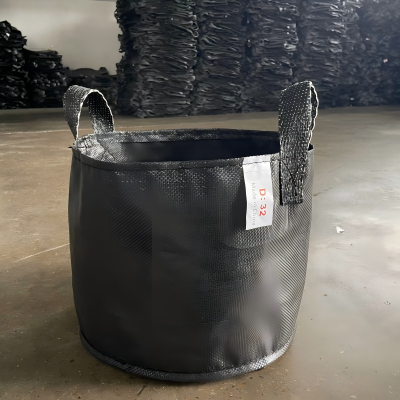
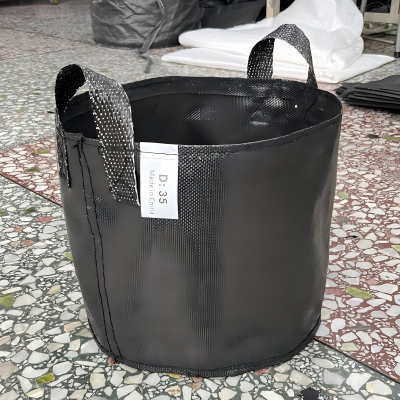
Our PP grow bags are developed with professional applications in mind, including:
• UV-resistant material options
• High-strength fabric
• Breathable construction
• Good drainage
• Strong stitching
• Reinforced handles
• Suitability for commercial horticulture
A durable grow bag can potentially support multiple production cycles when used and maintained under suitable conditions.
We also encourage commercial buyers to evaluate grow bags based on their complete service life rather than focusing only on initial purchase cost.

Contact HOKBG for Samples and Technical Information
If you are looking for durable grow bags for commercial nurseries, landscaping projects, or professional tree production, HOKBG welcomes you to contact us.
We can provide:
• Product specifications
• Technical information
• Material details
• Product recommendations
• Sample testing support
Free Samples Available
HOKBG can provide free grow bag samples for customers who want to evaluate product quality before placing a bulk order.
Please note: the samples are free, but customers are responsible for the shipping or freight cost.
Testing samples in your own nursery environment allows you to evaluate important factors such as:
• Fabric strength
• Breathability
• Drainage
• Handle performance
• Suitability for your plants
• Overall product quality
Welcome to contact HOKBG to request samples and technical information.
Conclusion
Are grow bags eco-friendly?
The answer depends on how they are manufactured, used, reused, and managed at the end of their service life.
For commercial nurseries, sustainability should focus on reducing unnecessary waste and improving resource efficiency.
Durable and reusable grow bags can support this goal by potentially reducing replacement frequency and extending the useful life of planting containers.
When selecting grow bags, professional buyers should consider:
• Material quality
• Service life
• Reusability
• UV resistance
• Structural strength
• Recycling possibilities
A sustainable nursery is not built around one product alone. It is built through smarter decisions about materials, production, reuse, transportation, and waste management.